Our History

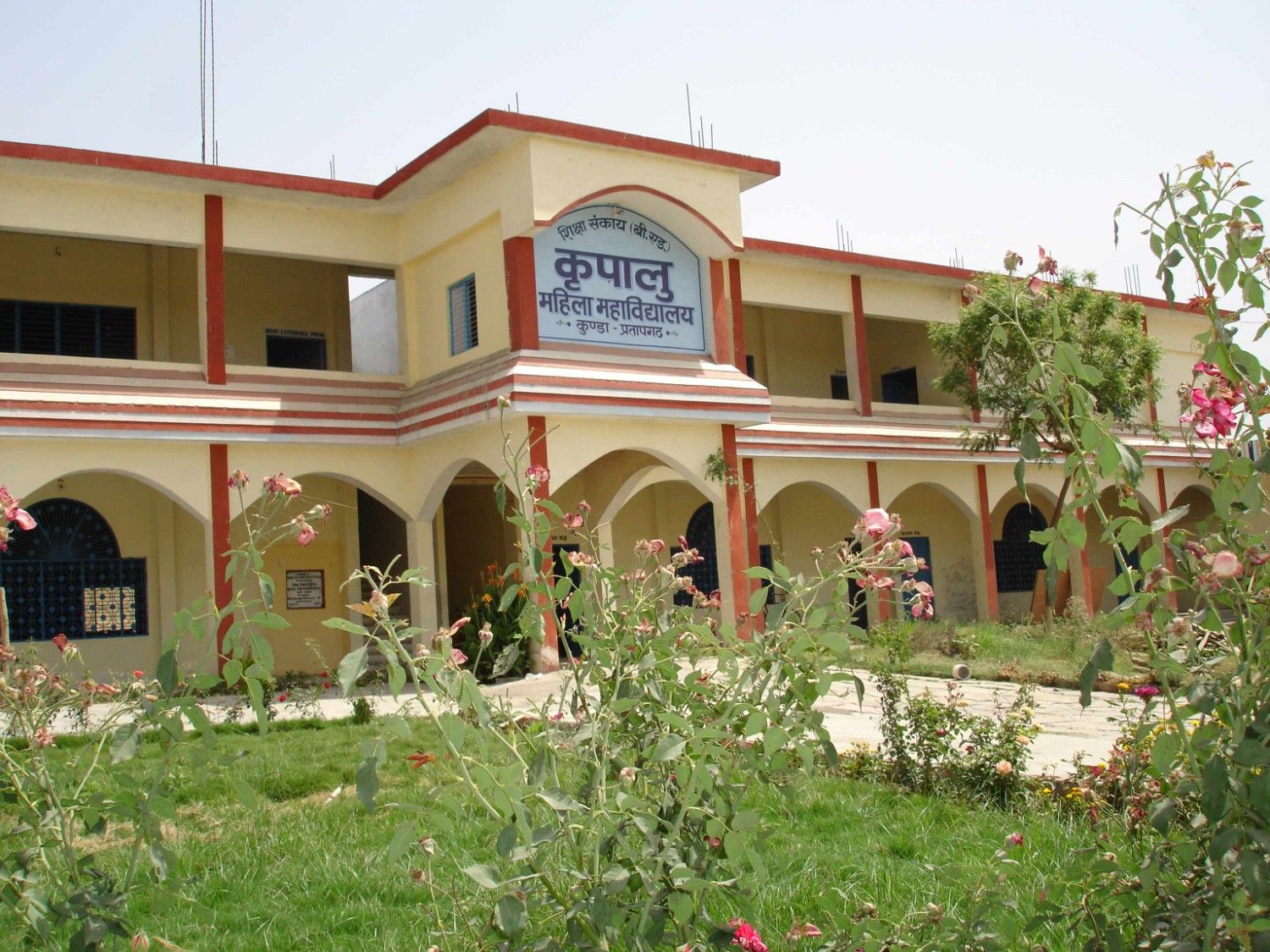
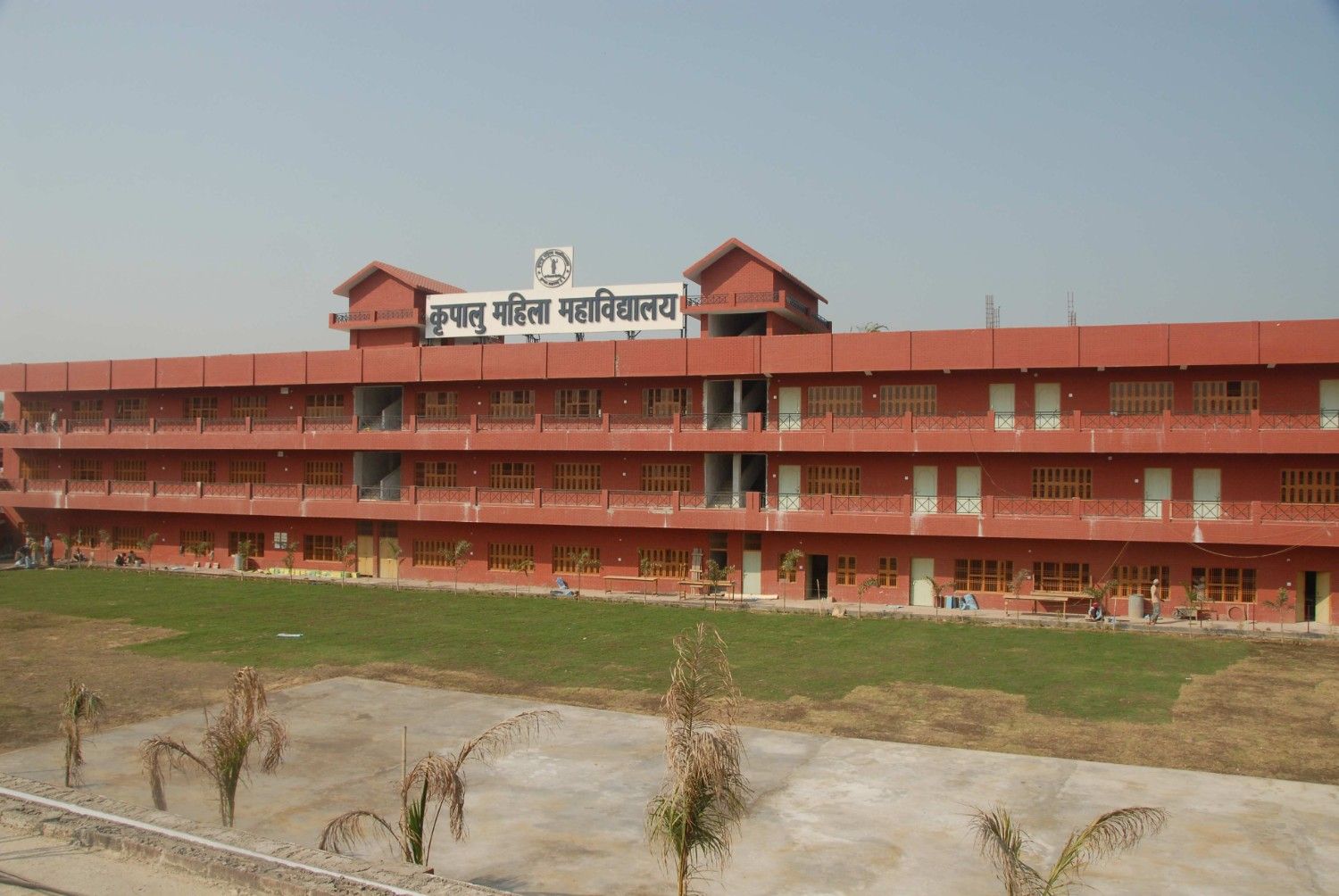
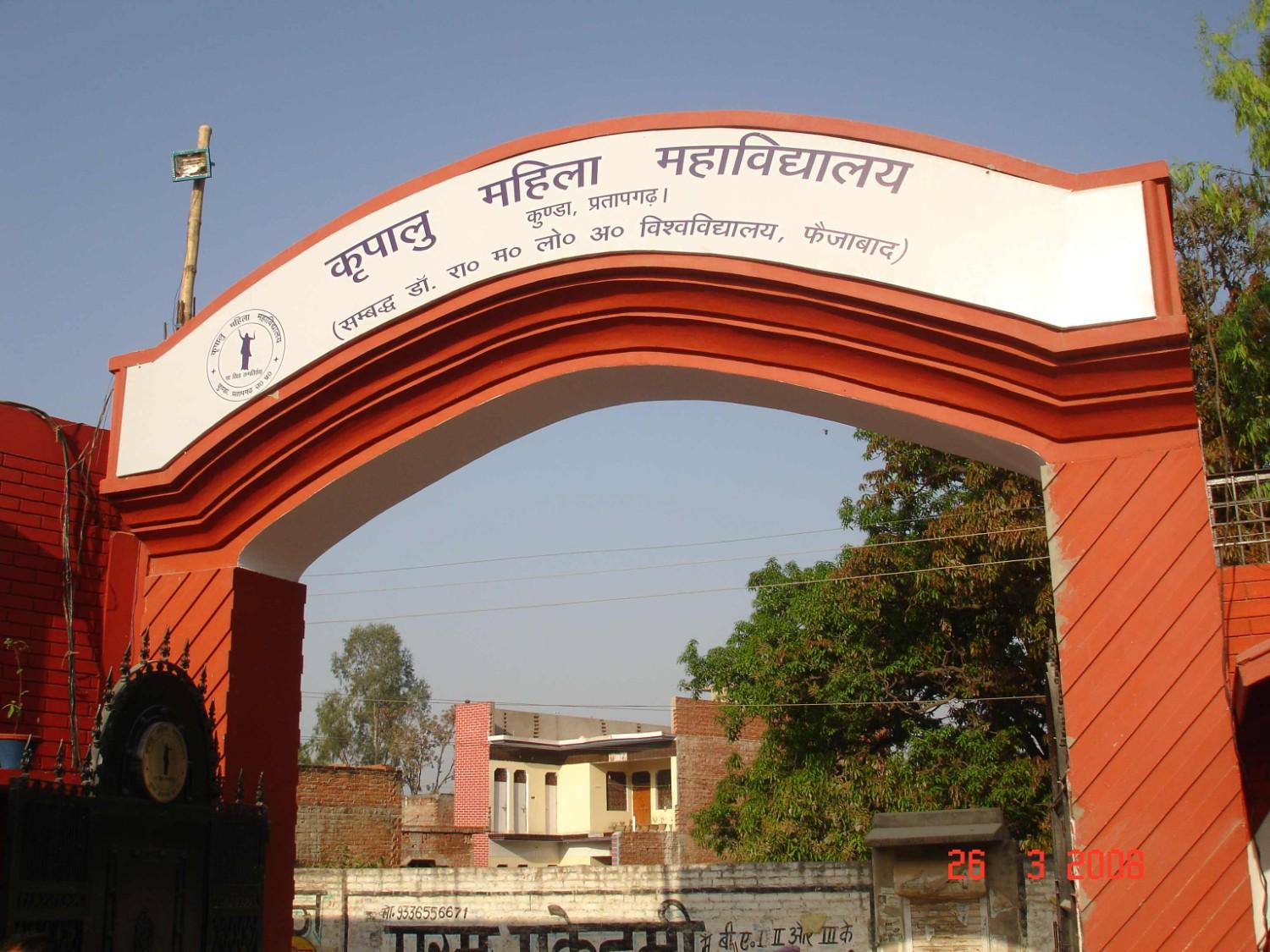
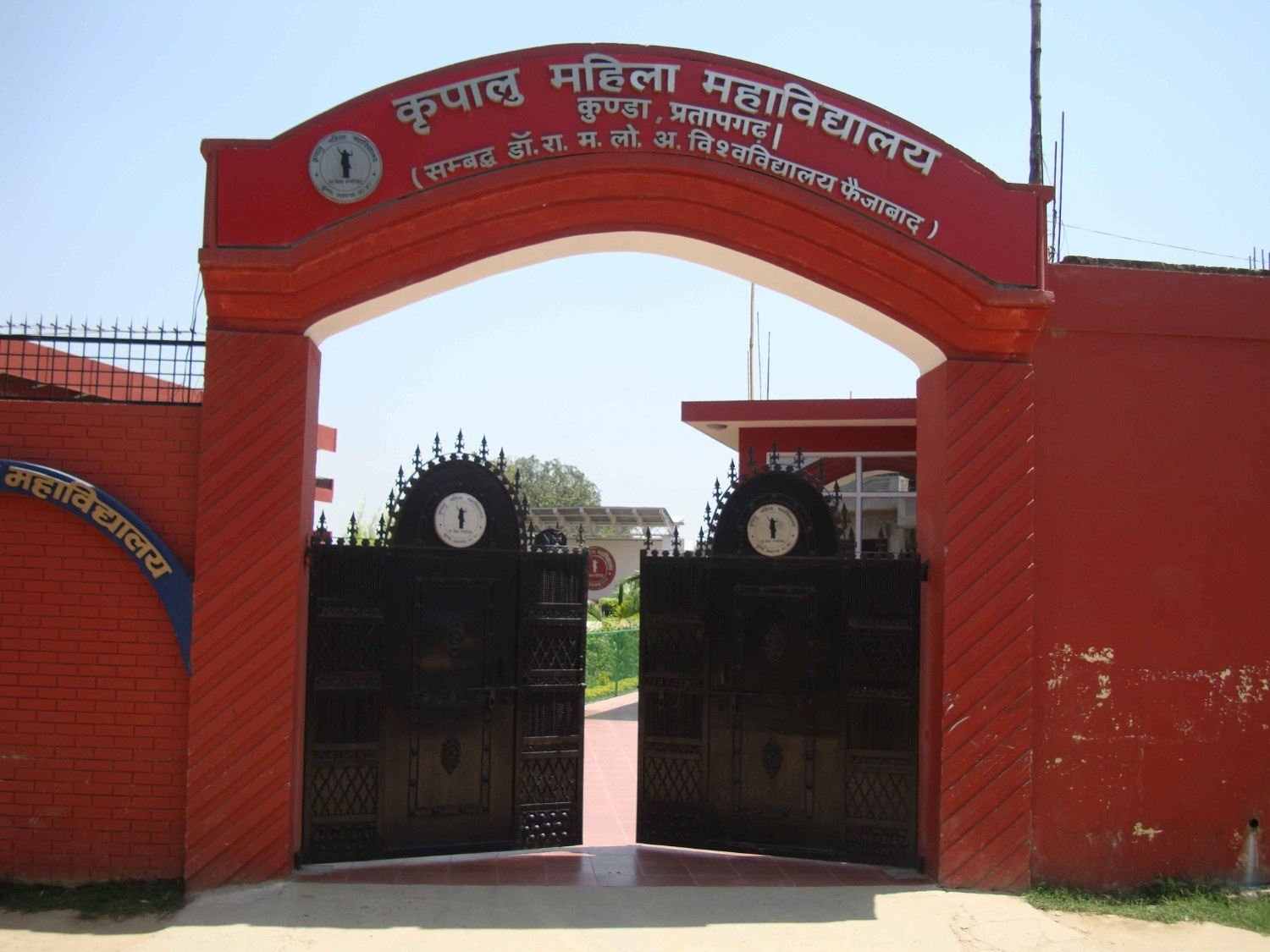
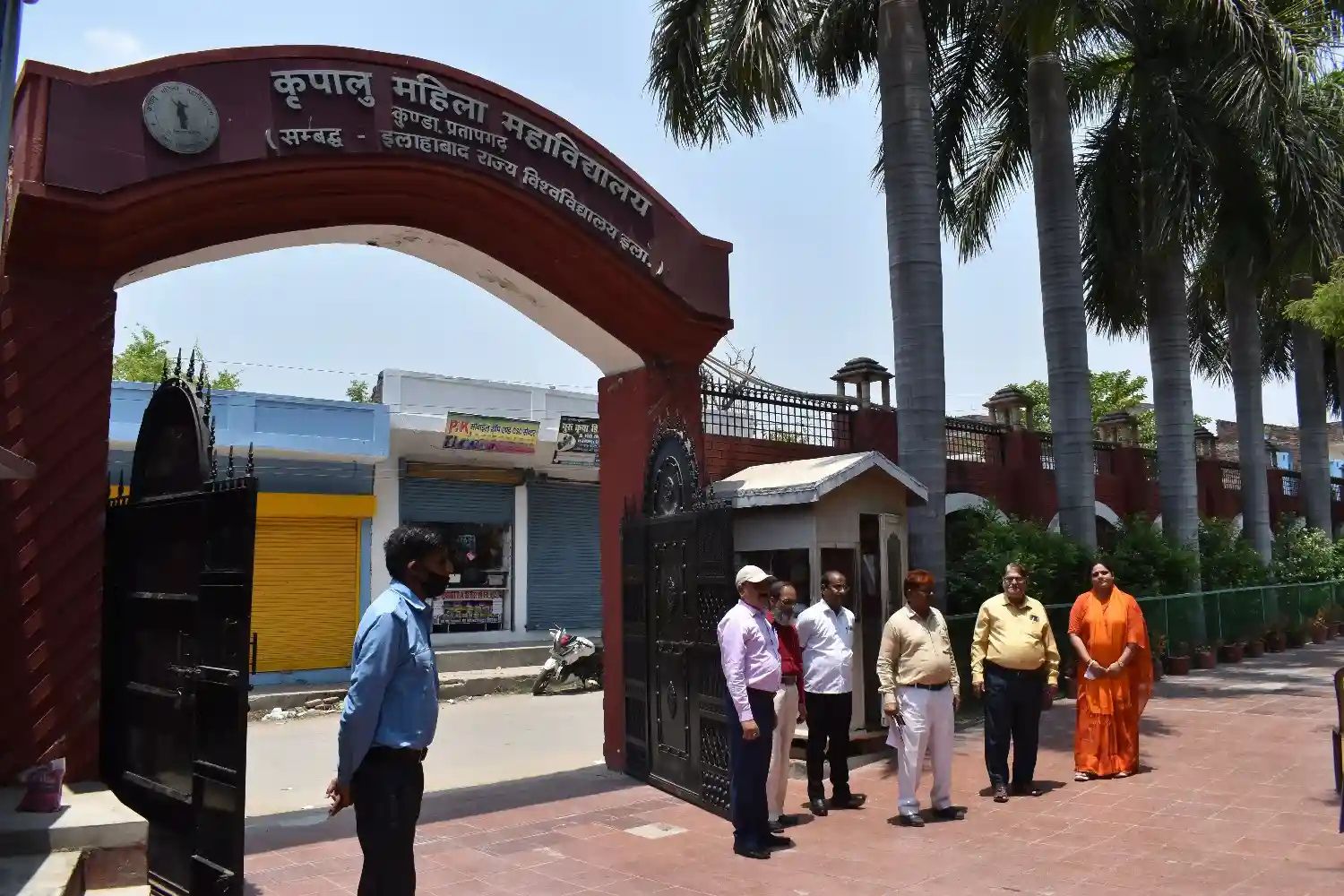
Kripalu Mahila Mahavidyalaya (KMM),founded in 1998,is a self-financed, all-girls’, Higher Education Institution. KMM started with the Bachelor of Arts (B.A.) course in 1998 and added the Bachelor of Education (B.Ed.) course in 2005. In the year 2008, two more Programmes were added – Bachelor of Science (B.Sc.) and Master of Arts (M.A.).

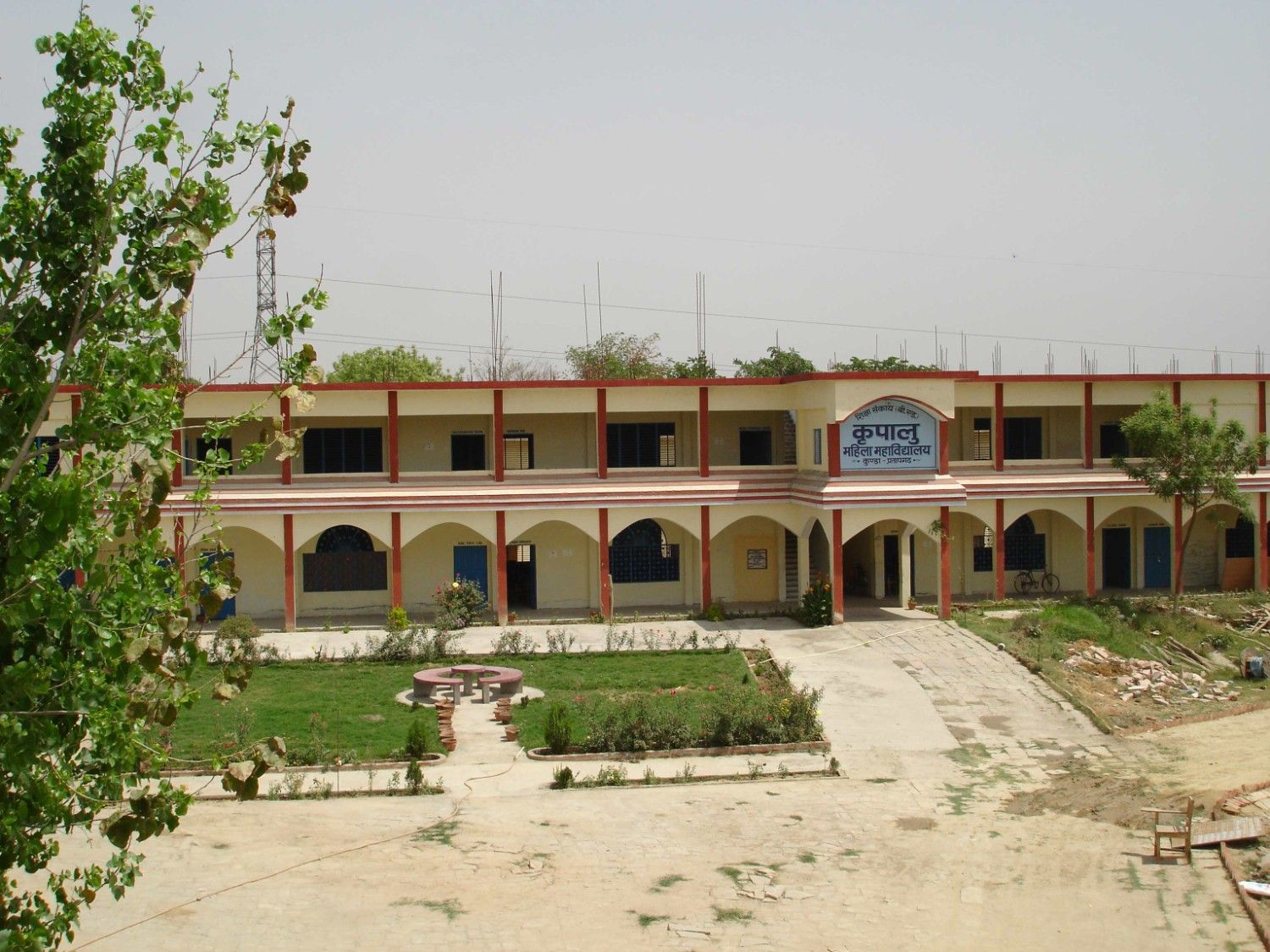
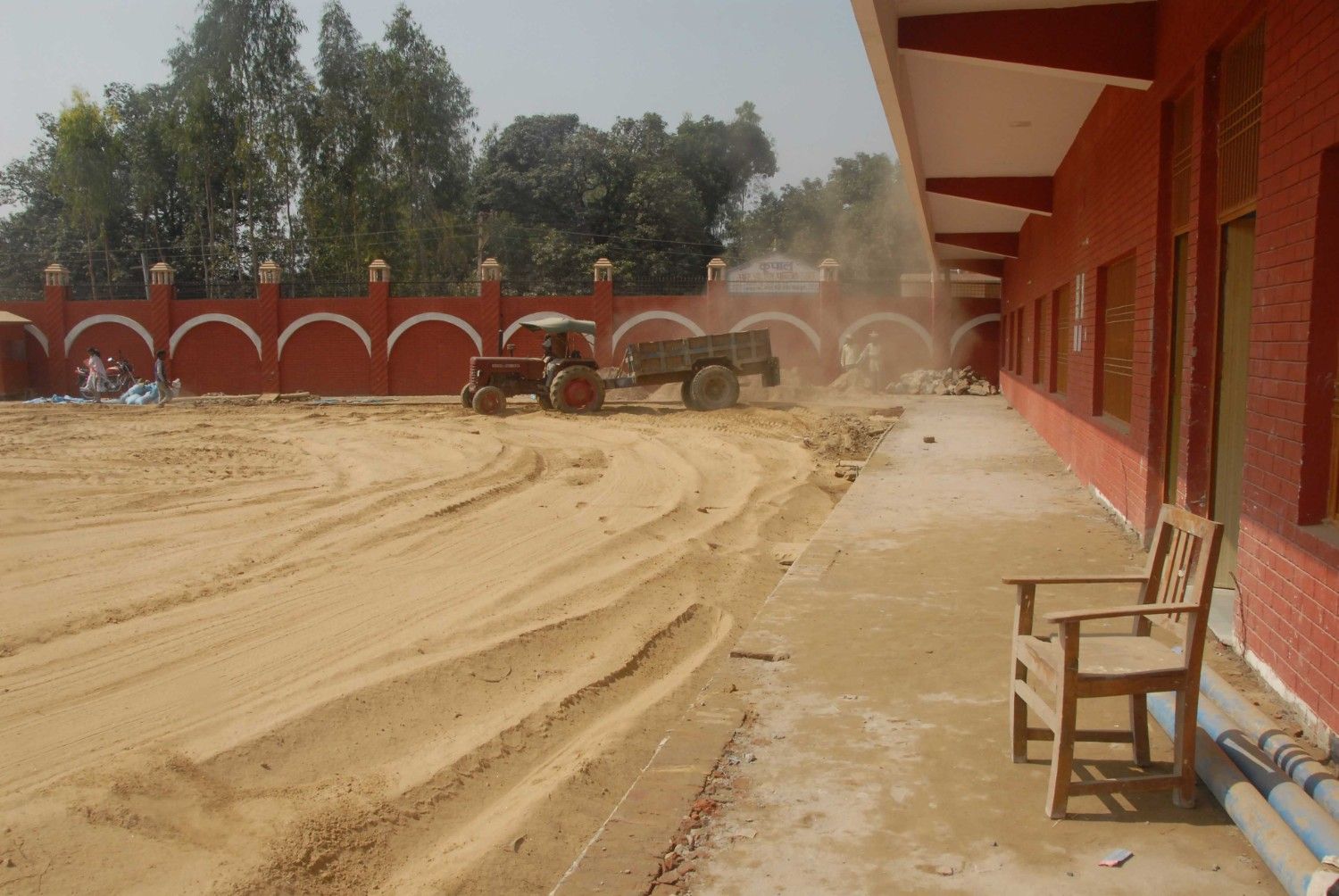
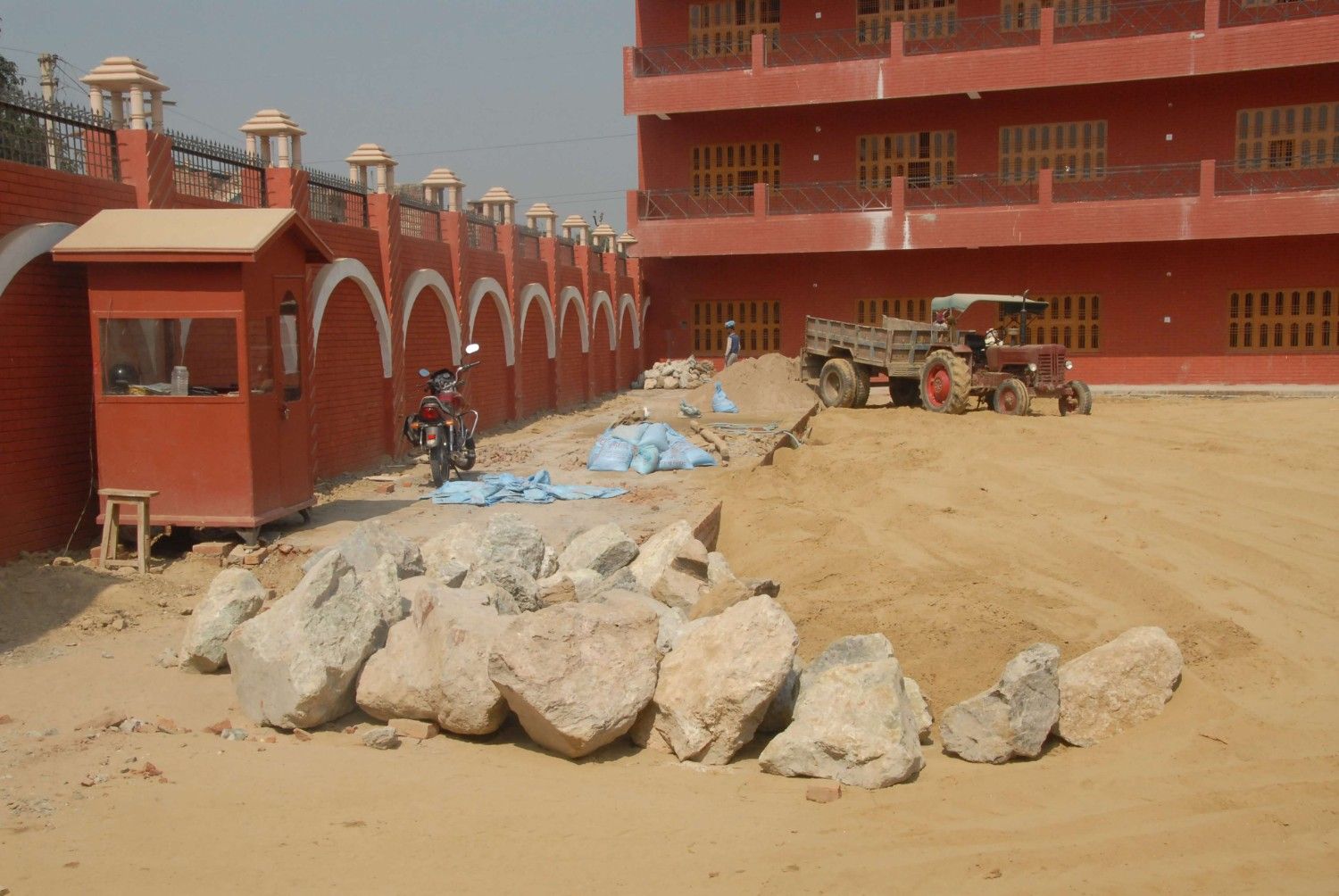
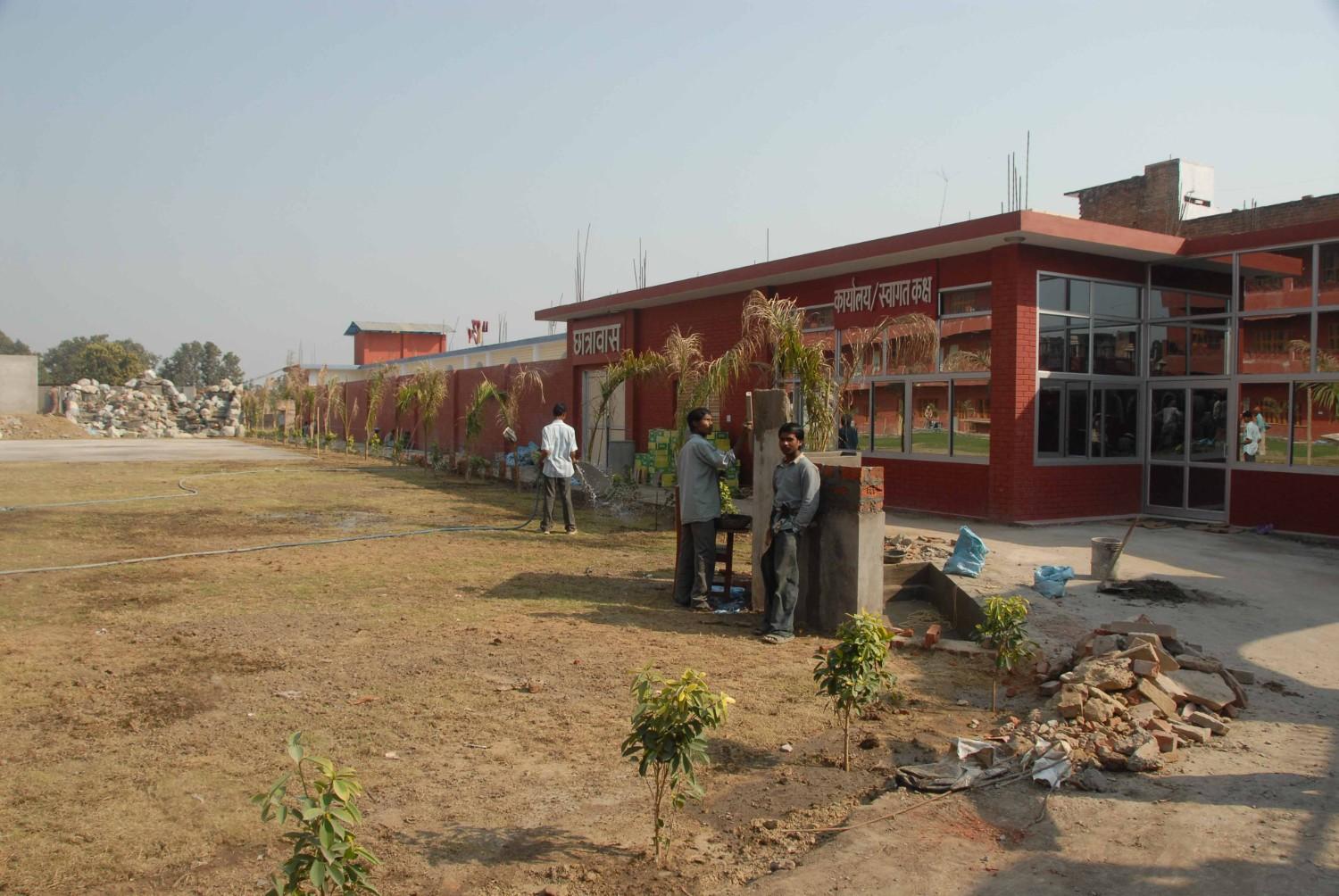
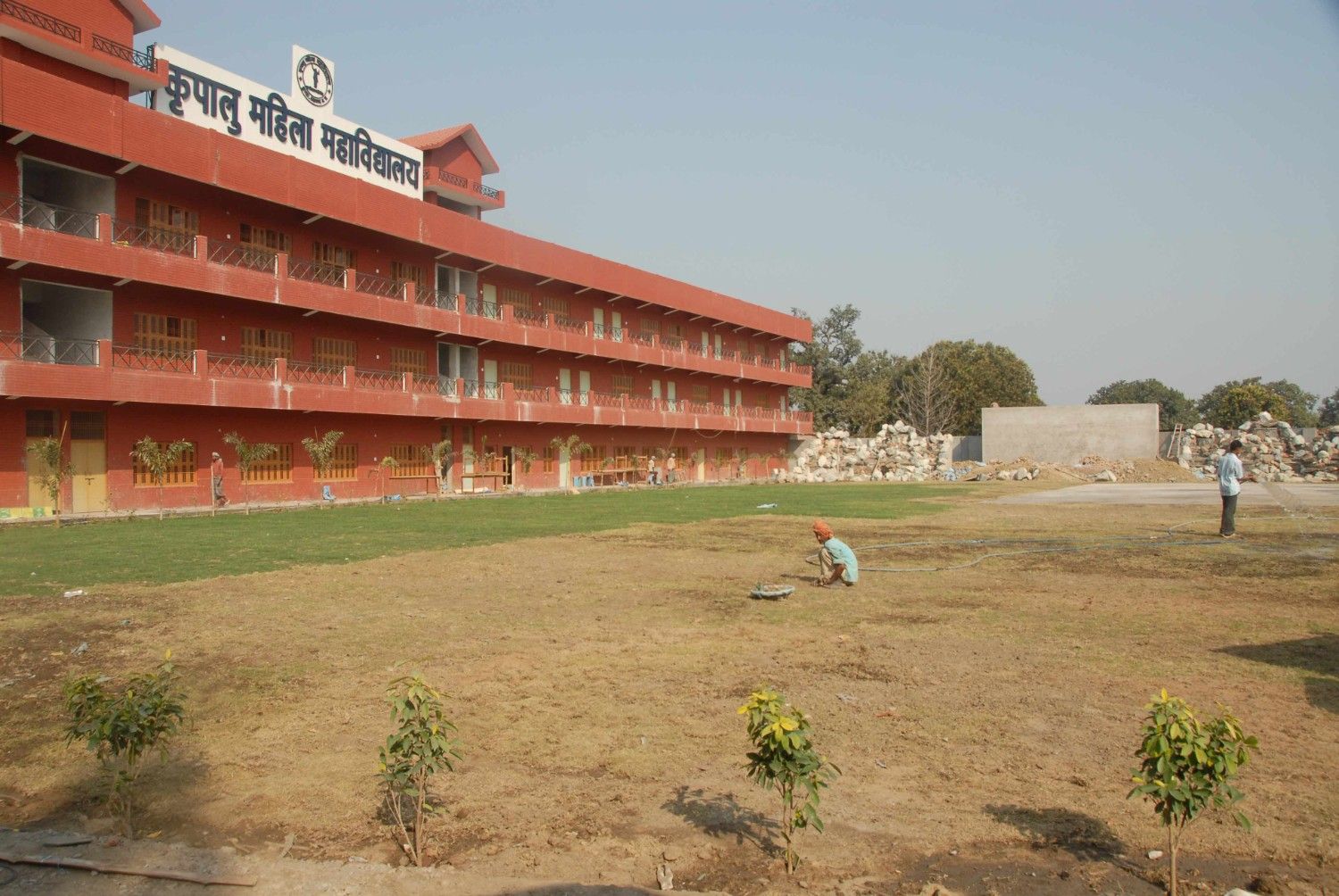
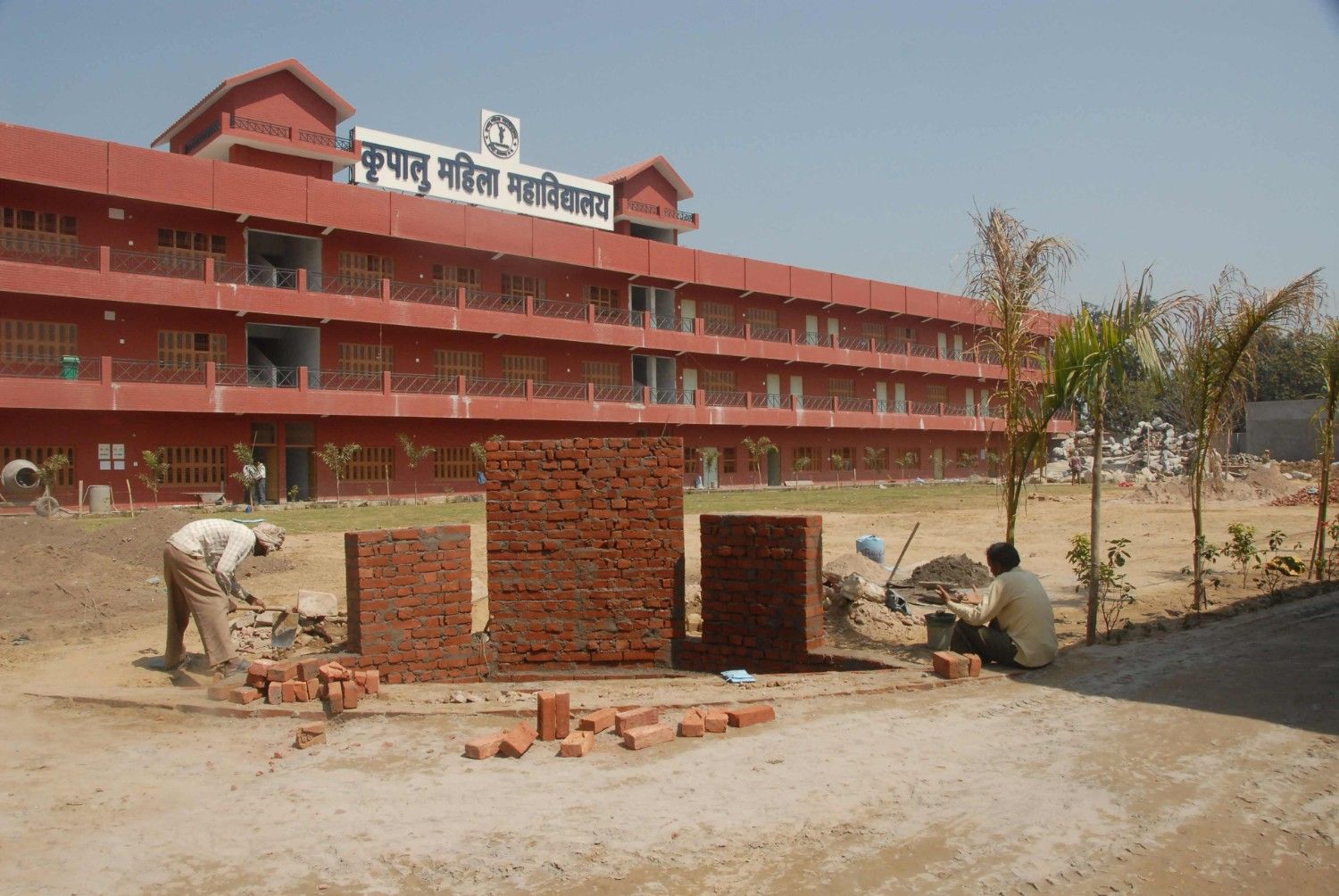
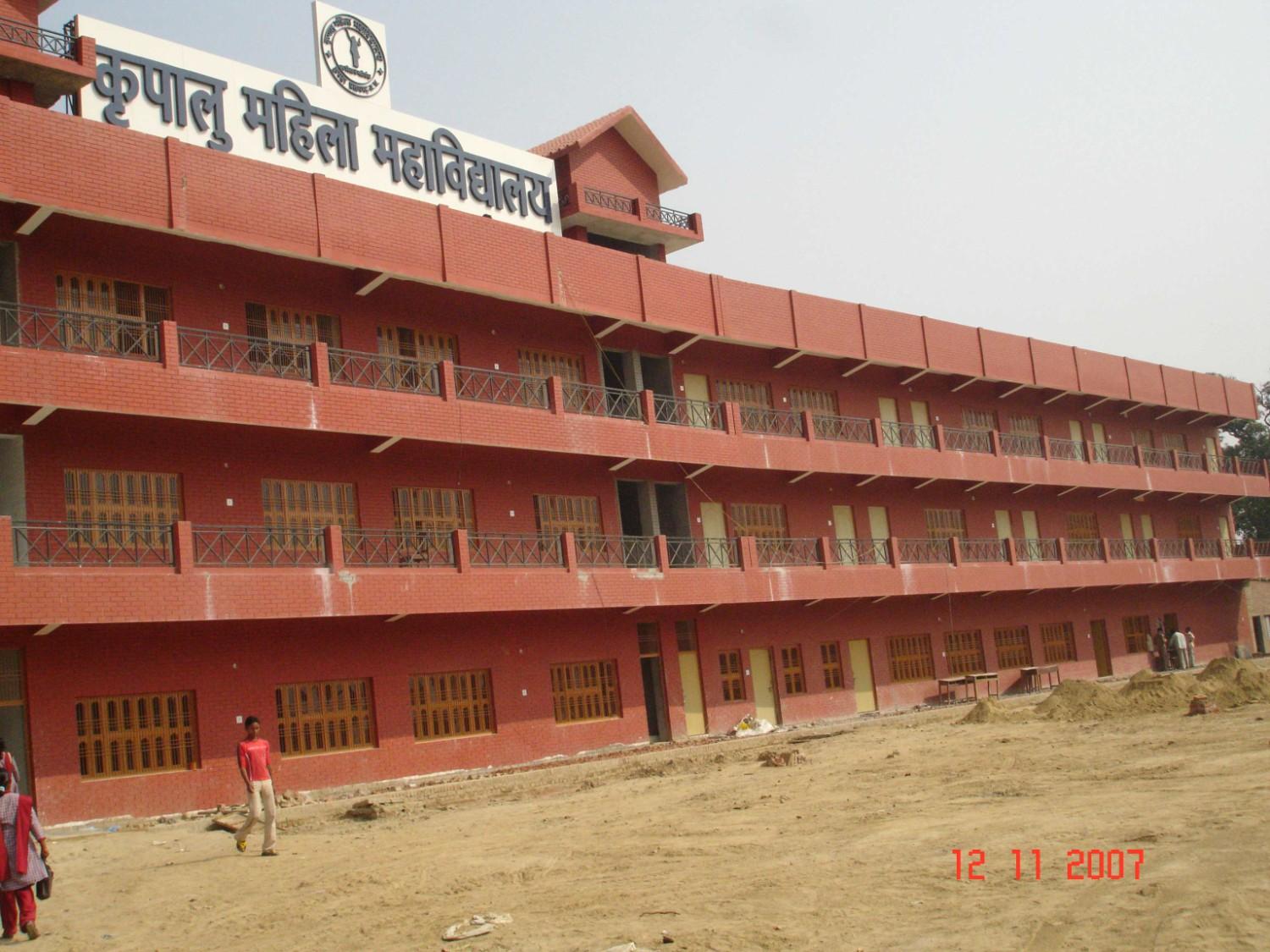
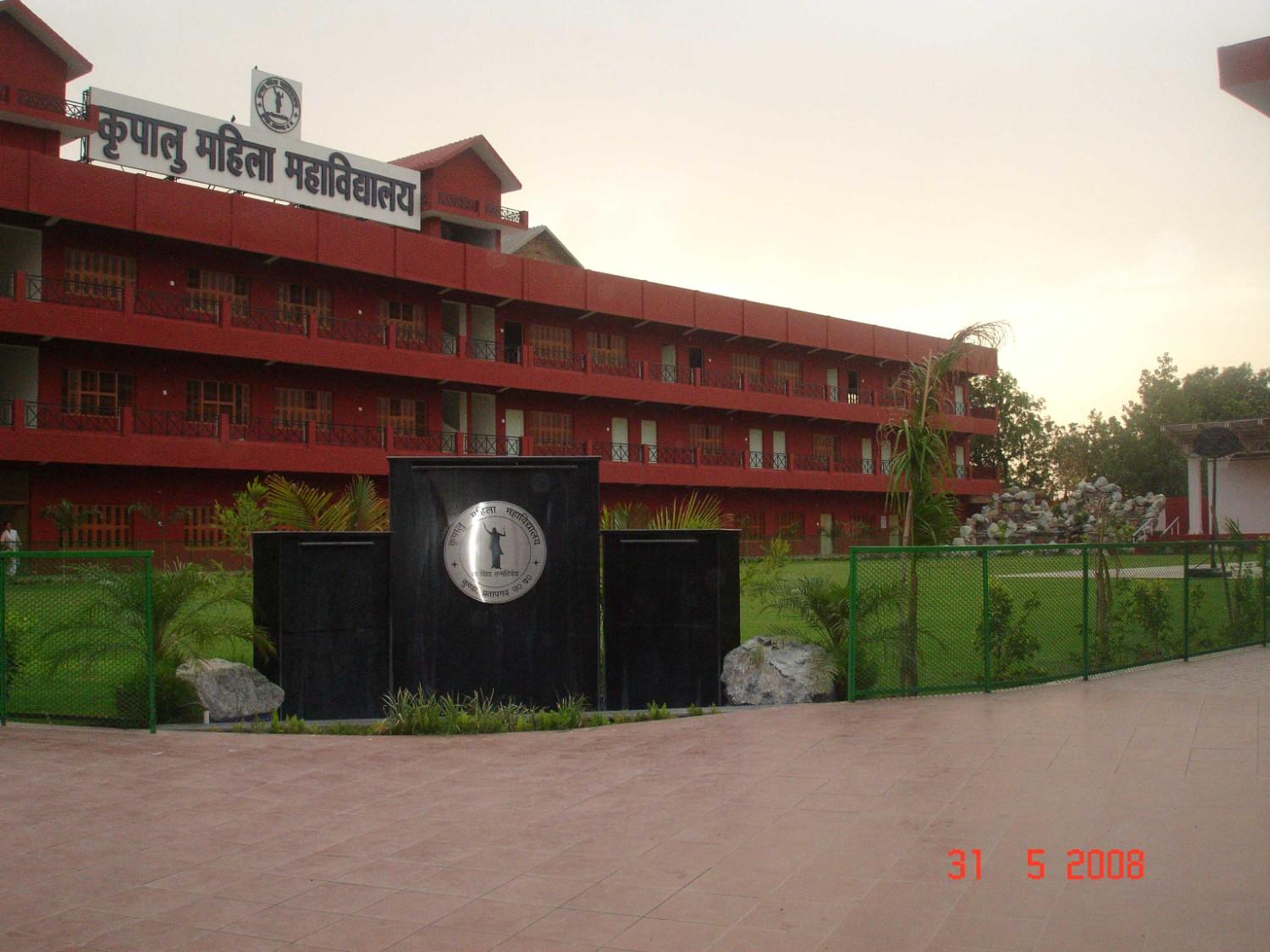
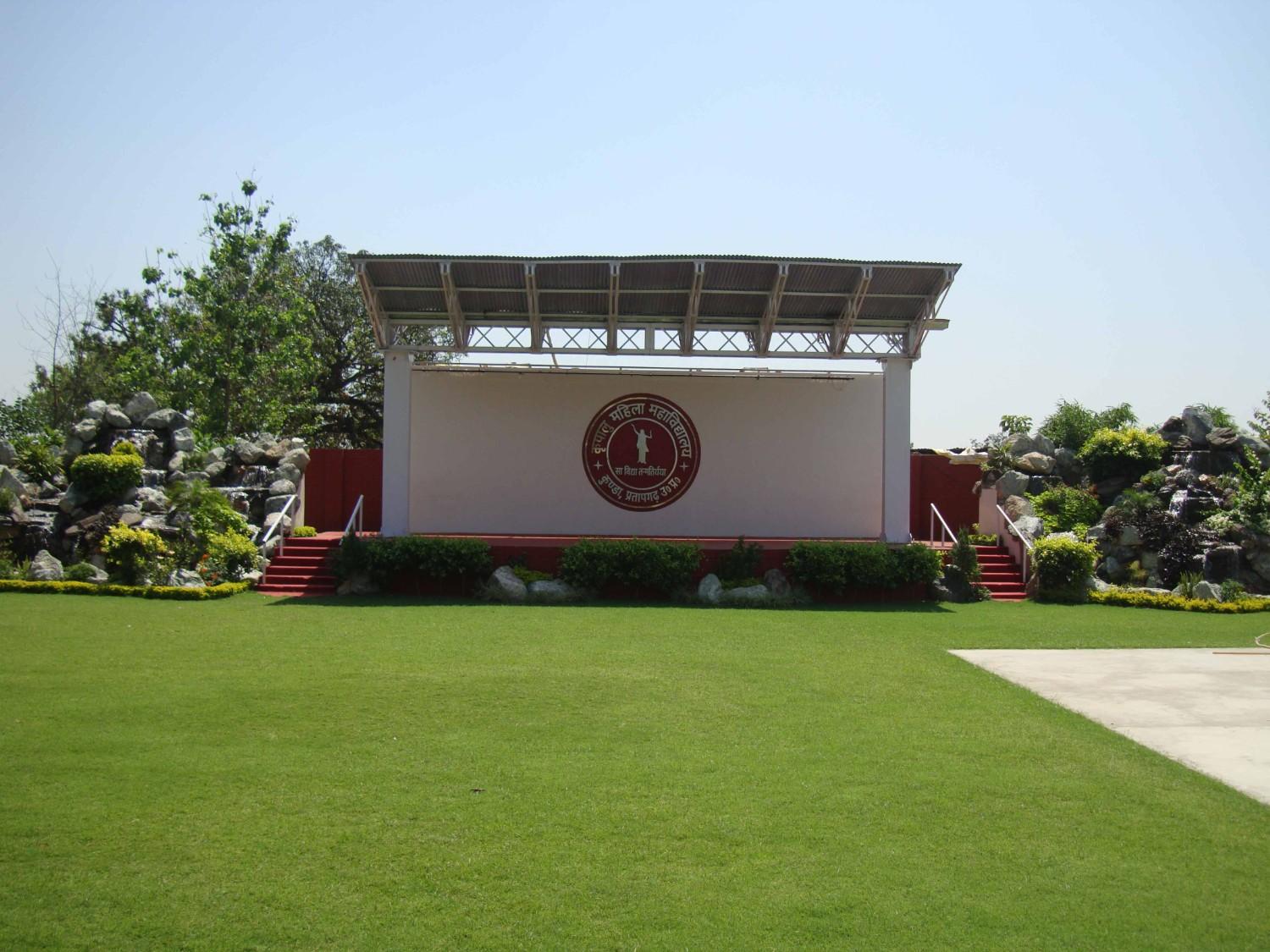
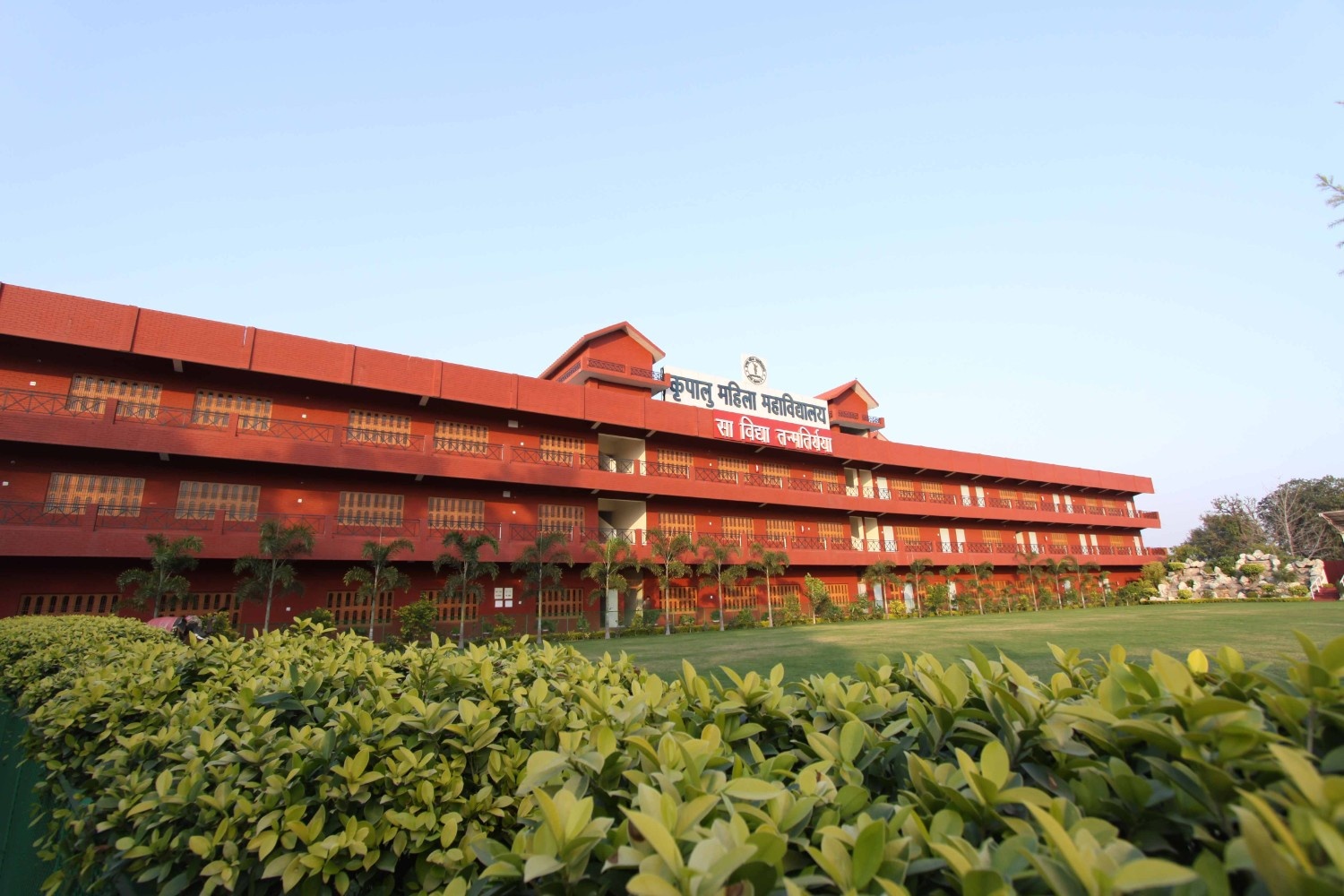
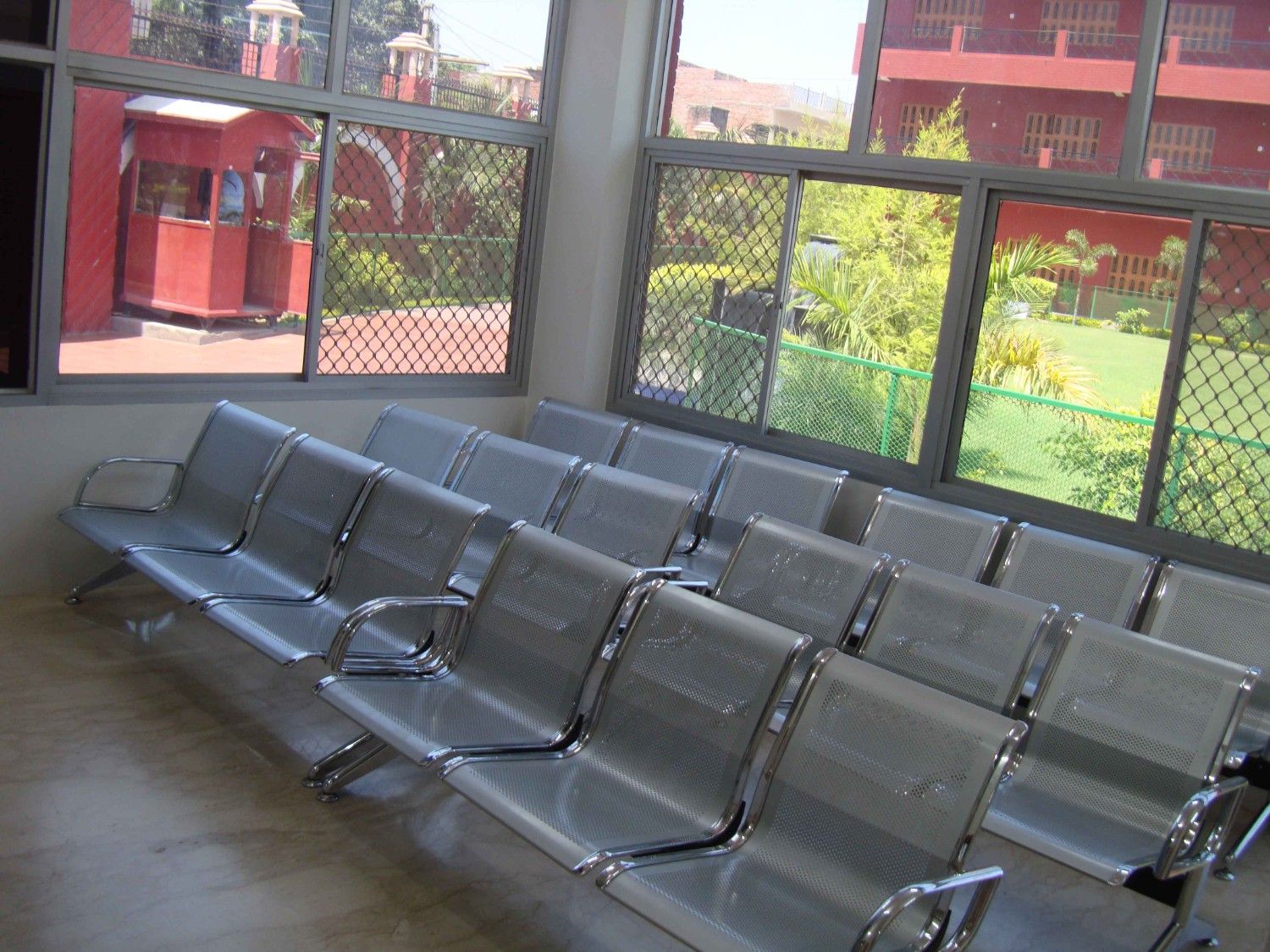
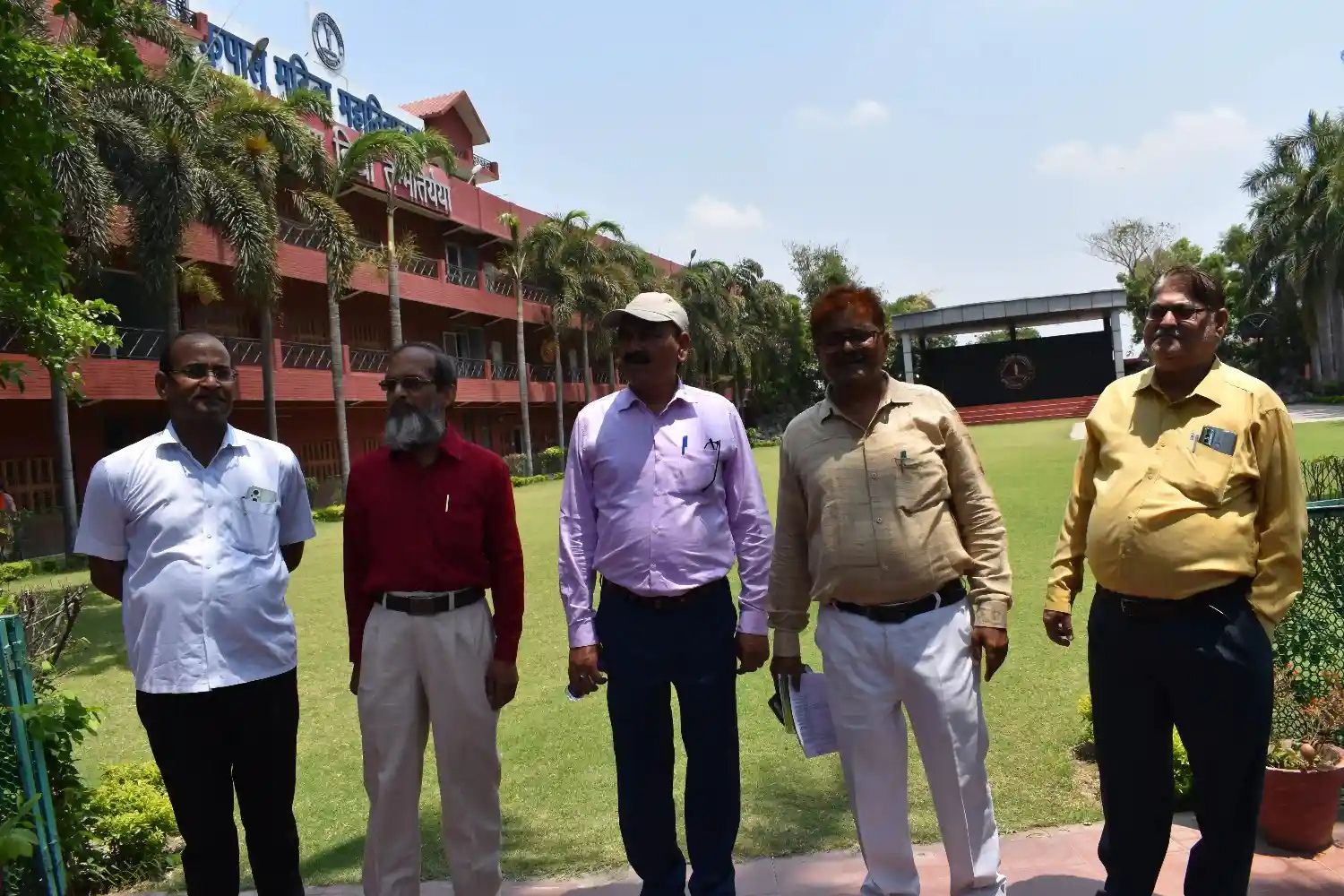
Established as a modest institution in a deeply rural and underserved area, the institution has developed significantly and now stands comparable to many leading higher education institutionshave been added one by one to provide students with an environment that is not only comfortable and friendly, but also motivates them to acquire knowledge in best ways. Extensive renovation of the college infrastructure was undertaken in the initial years, and over time, campus facilities have been progressively expanded and enhanced to provide students with an environment that is not only comfortable and welcoming, but also conducive to meaningful learning and academic excellence.


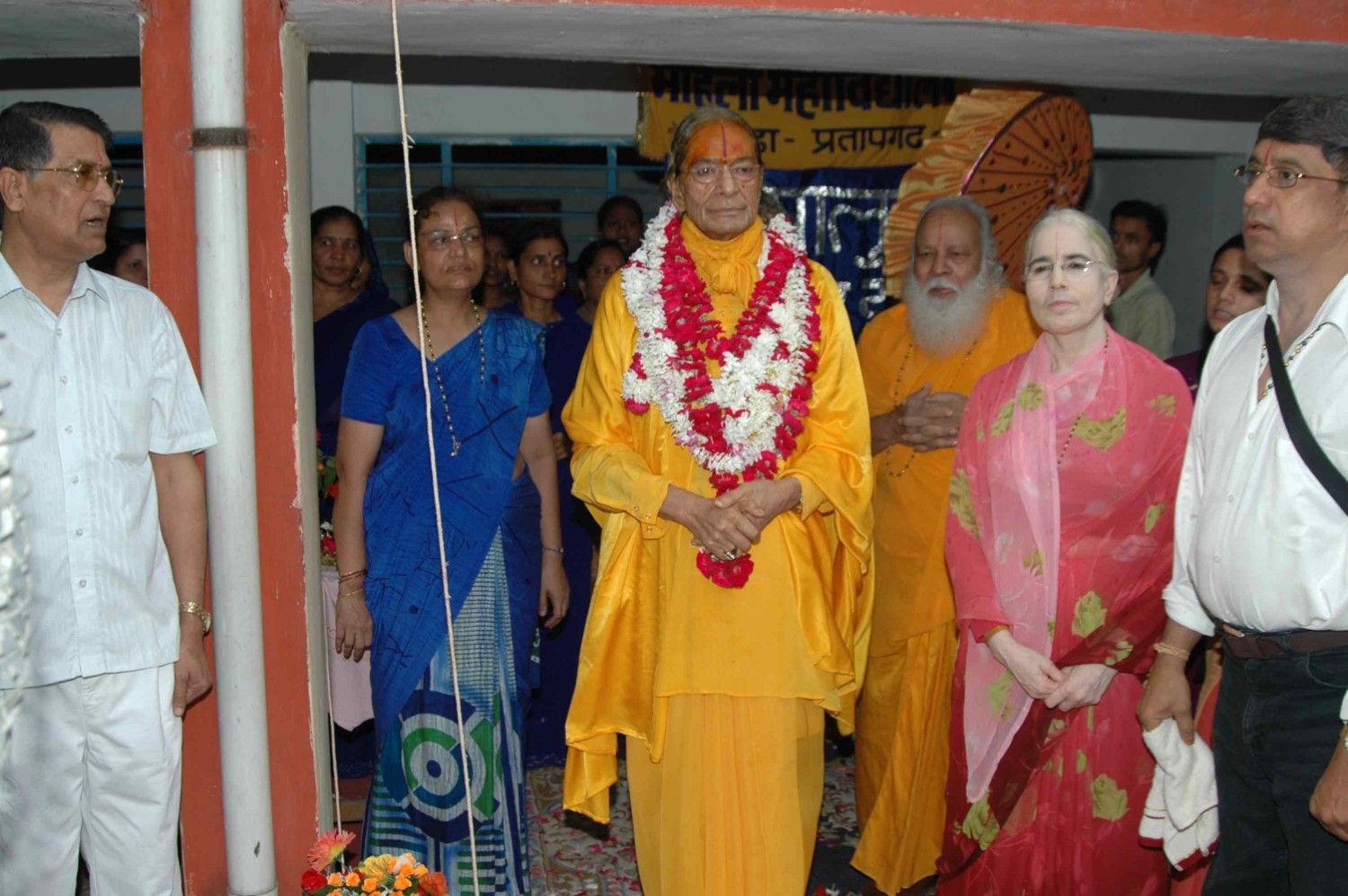
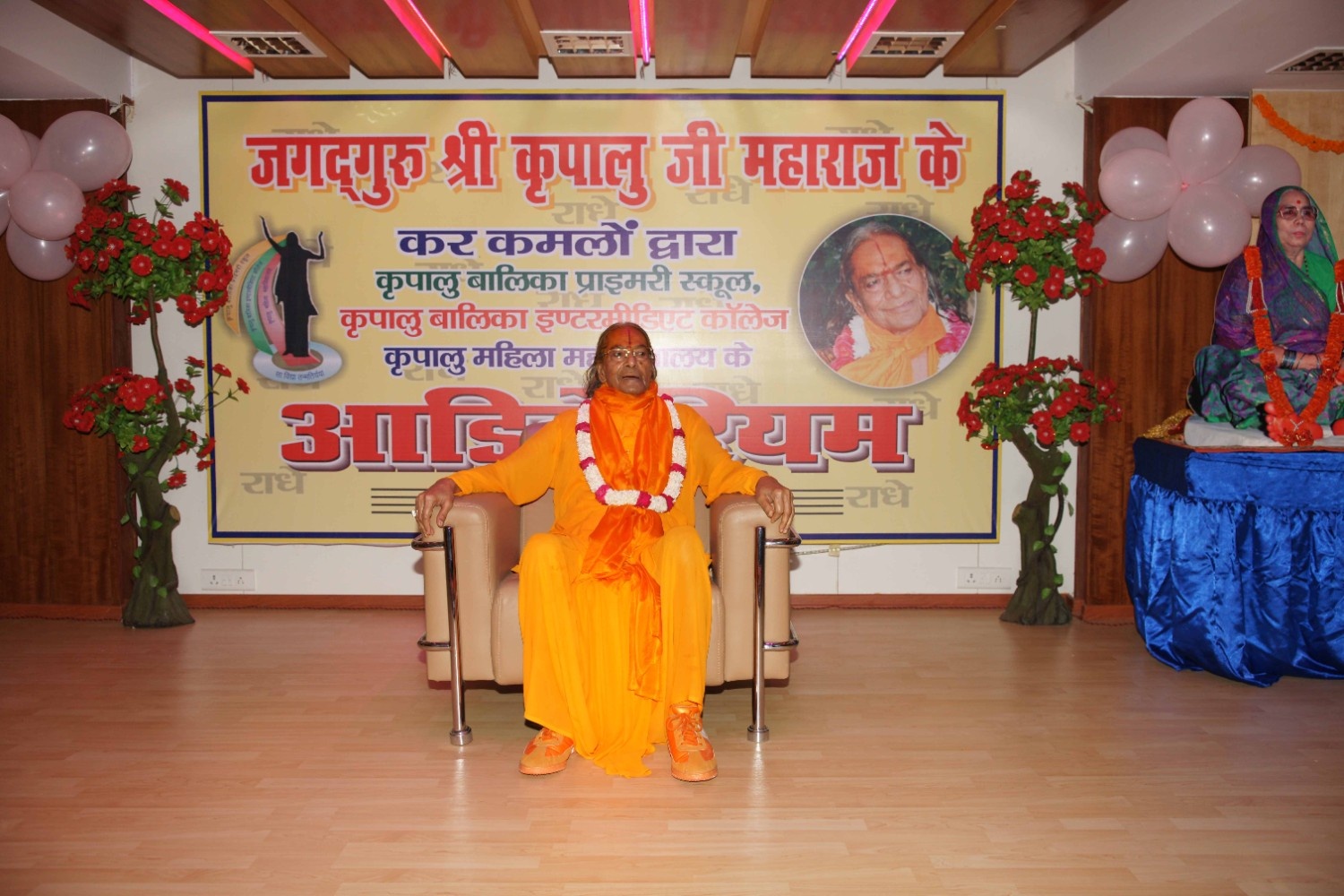
Since its establishment, the college has maintained only a nominal fee structure, to keep education accessible to all. However, in December 2010, Jagadguru Shri Kripalu Ji Maharaj, driven by his boundless compassion and visionary commitment to women’s empowerment, graciously declared that the college would henceforth provide 100% free education for all courses directly administered and coordinated by the Jagadguru Kripalu Higher Education Society.

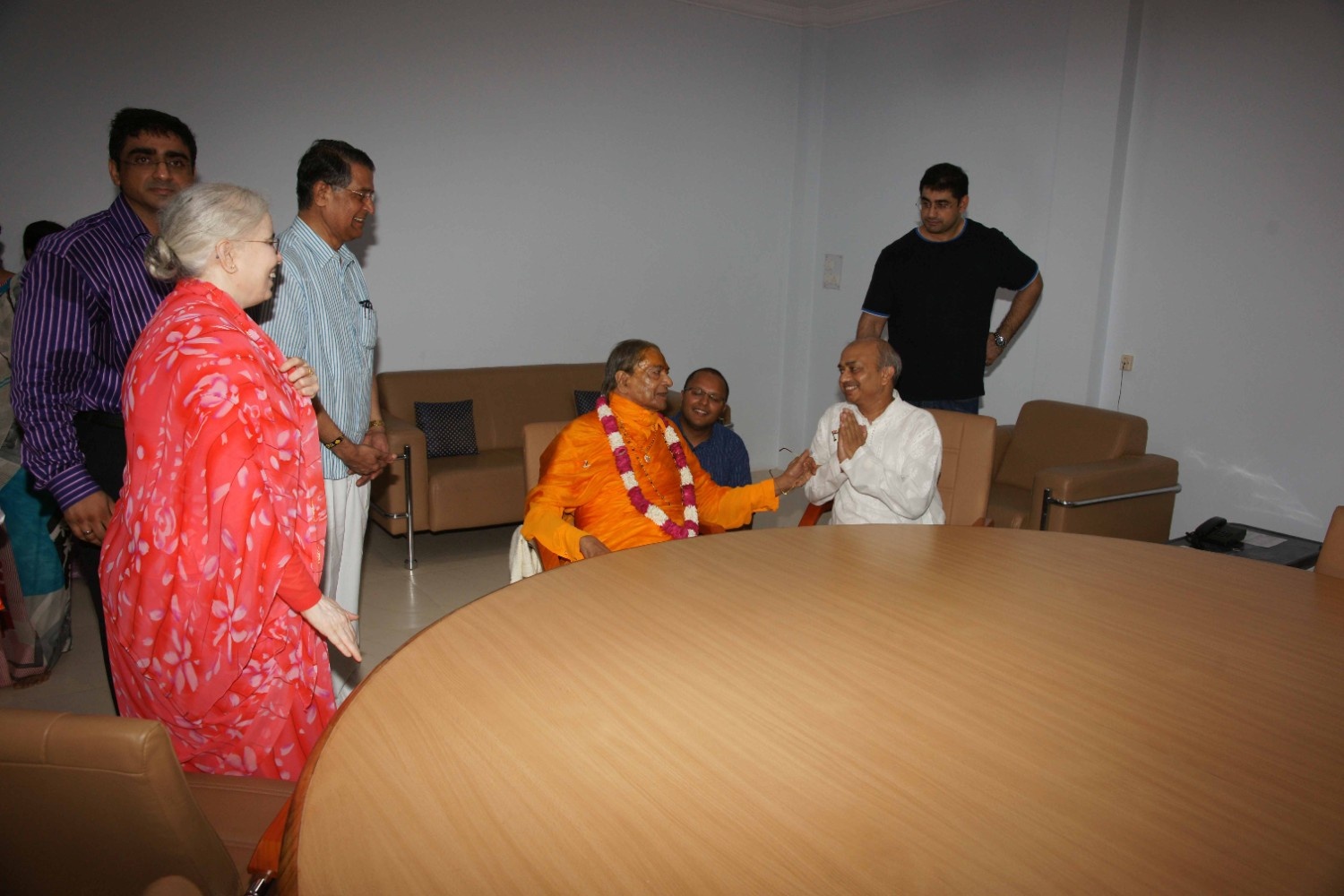
The enduring contributions of our Founder, Jagadguru Shri Kripalu Ji Maharaj, and our esteemed JKP Presidents — particularly Sushri Dr. Vishakha Tripathi Ji — have been the keystone of our institution’s growth and success. Their visionary leadership has shaped every dimension of our journey, from the development of infrastructure and academic programmes to the thoughtful attention given to daily operations. Their mission focused majorly on empowering girls through education, ensuring no obstacle hinders their pursuit of knowledge — through the provision of free uniforms, stationery, and other essential resources. Their unwavering dedication continues to inspire and guide the progress of our institution.

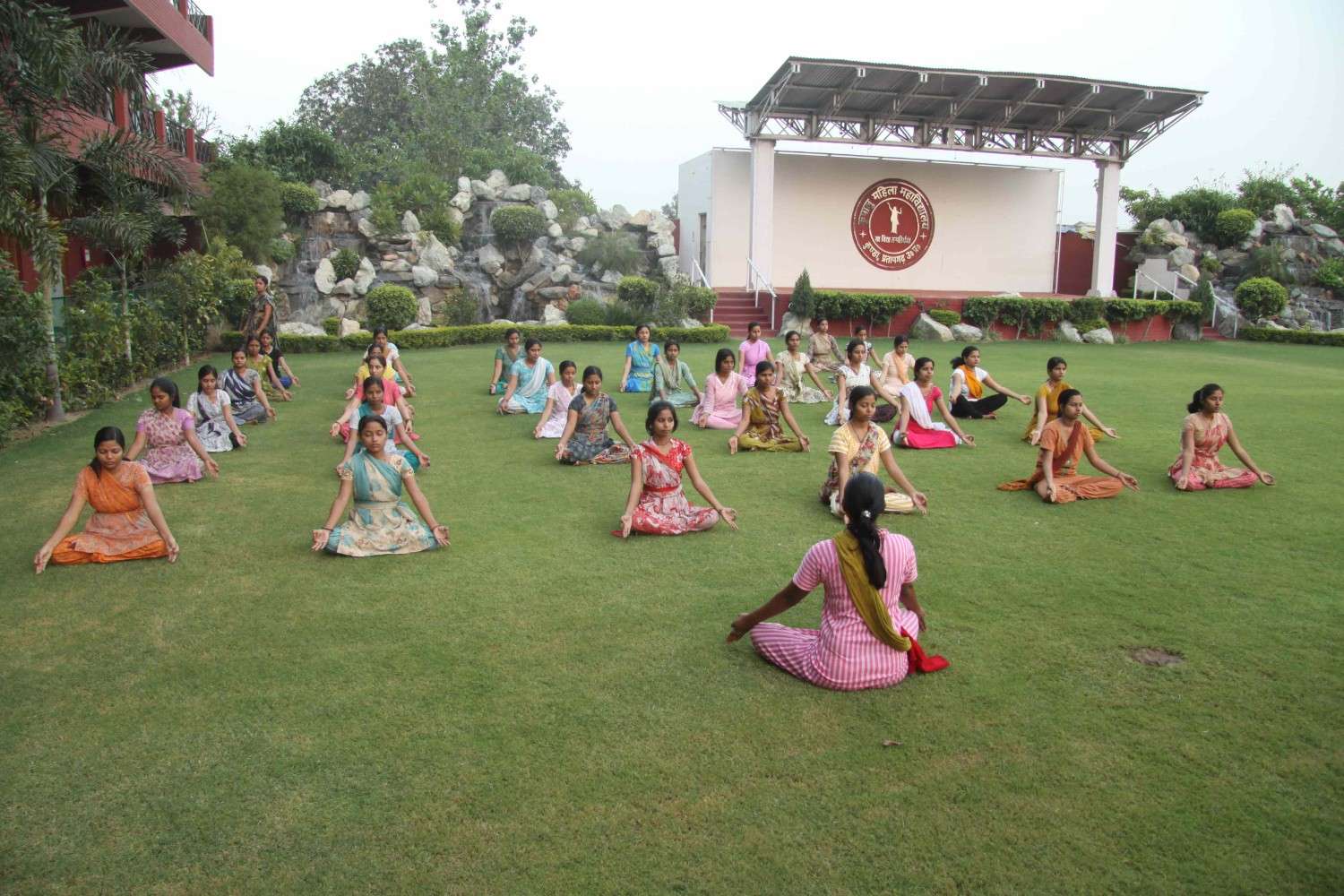
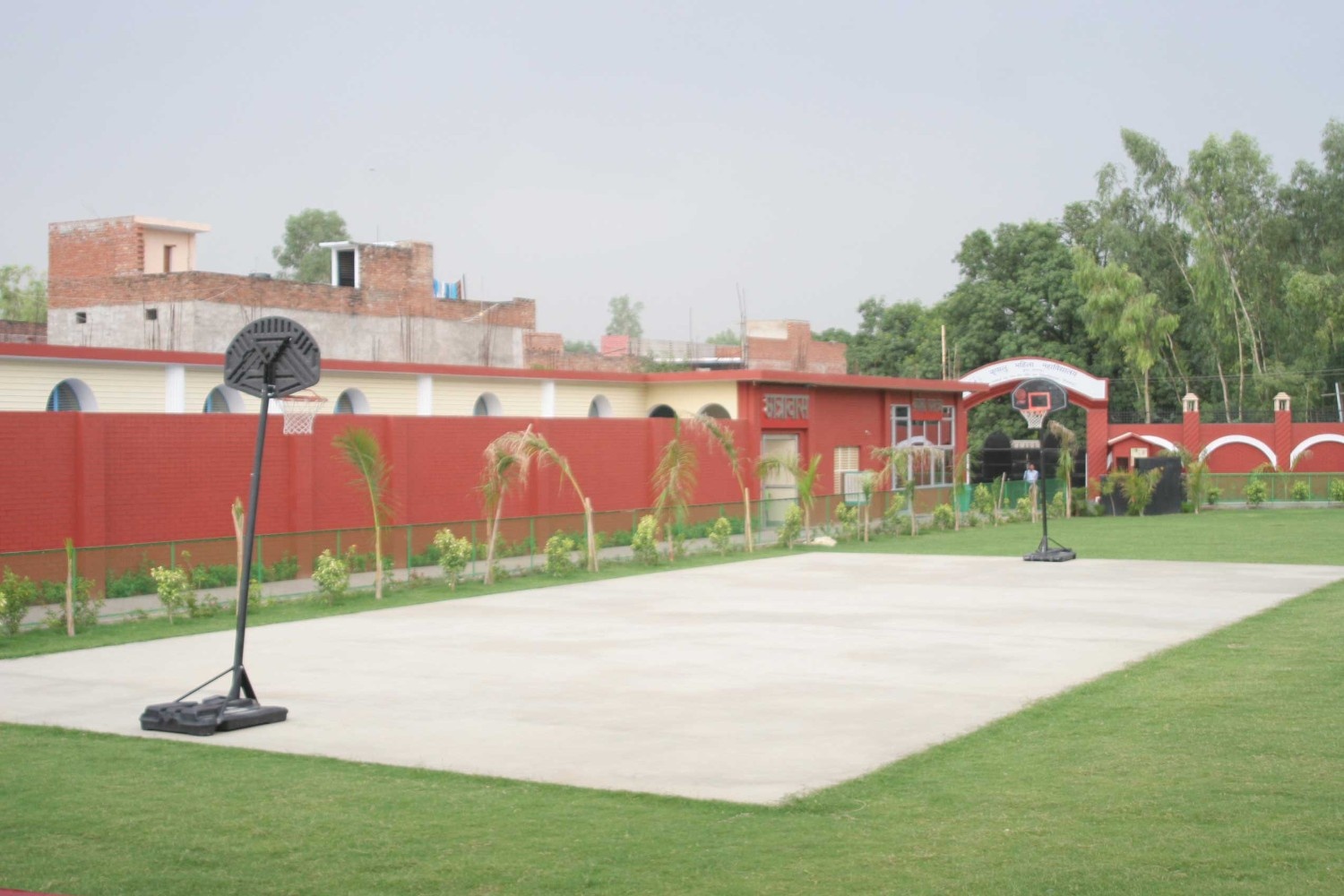
Kripalu Mahila Mahavidyalaya (KMM) strives to offer a broad spectrum of academic programmes to ensure students have access to diverse educational opportunities that foster both intellectual and personal development. The institution emphasises on strengthening computer and technology-related courses and equipping students with essential digital skills for success in a rapidly advancing world. In alignment with its mission of holistic education, KMM also focuseon enhancing campus life, through the development of modern infrastructure, recreational facilities, cultural fairs, and college events.

KMM had a systematic and well-thought-out plan that facilitated the qualitative growth of the Institution. The plan was implemented in the following four phases:

1) Phase 1(1998 – 2004) – Establishment and Initial Development

2) Phase 2 (2005 – 2010) – Strengthening Roots for Visionary Growth

3) Phase 3 (2011 – 2022) – Expansion Beyond the Horizon

4) Phase 4 (2023 Onwards) - Progression towards Excellence

PHASE 1 (1998 – 2004)
PHASE 2 (2005 – 2010)
PHASE 3 (2011– 2022)
PHASE 4 (2023 ONWARDS)

PHASE 1 (1998 – 2004) –ESTABLISHMENT AND INITIAL DEVELOPMENT

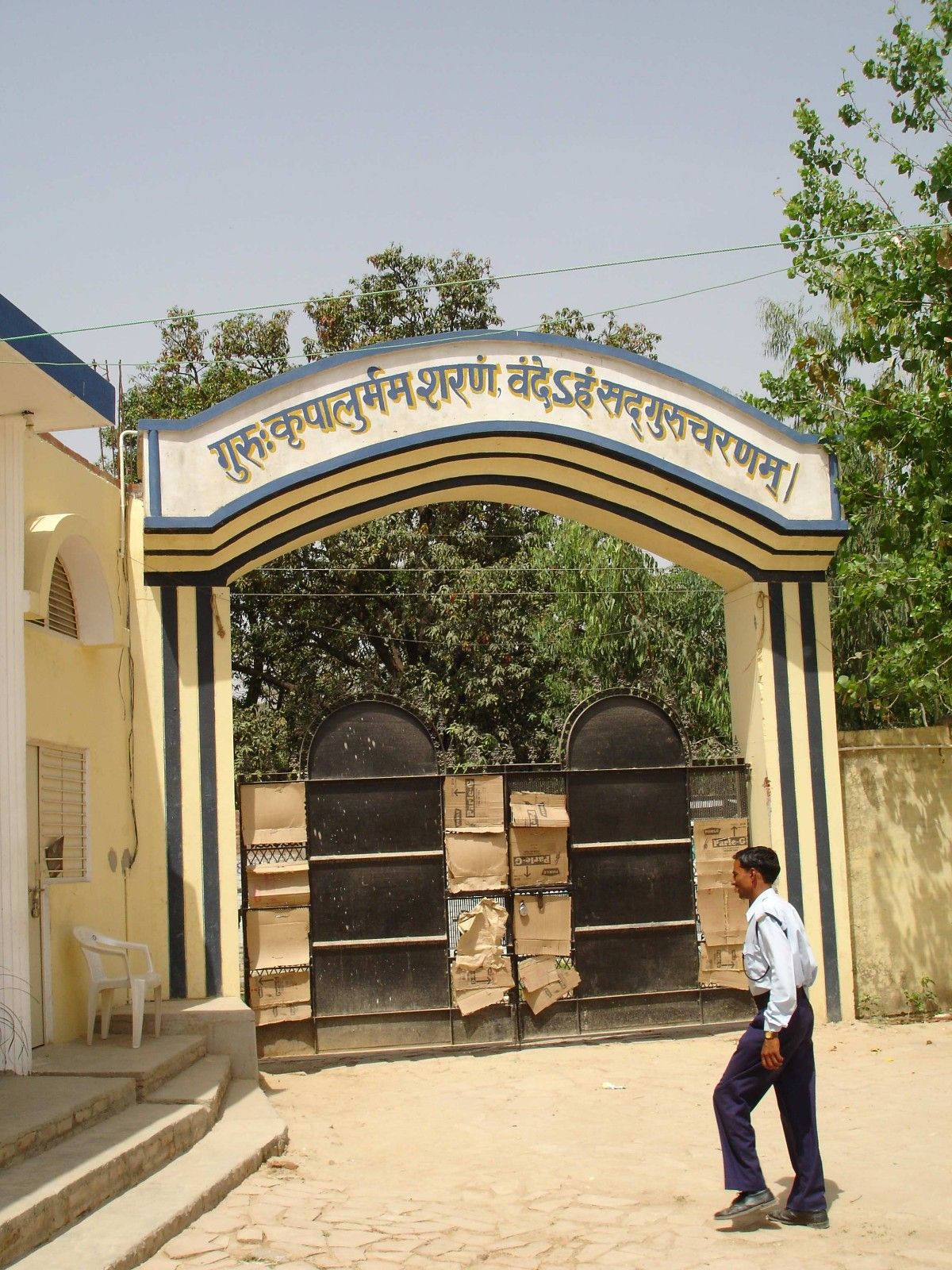
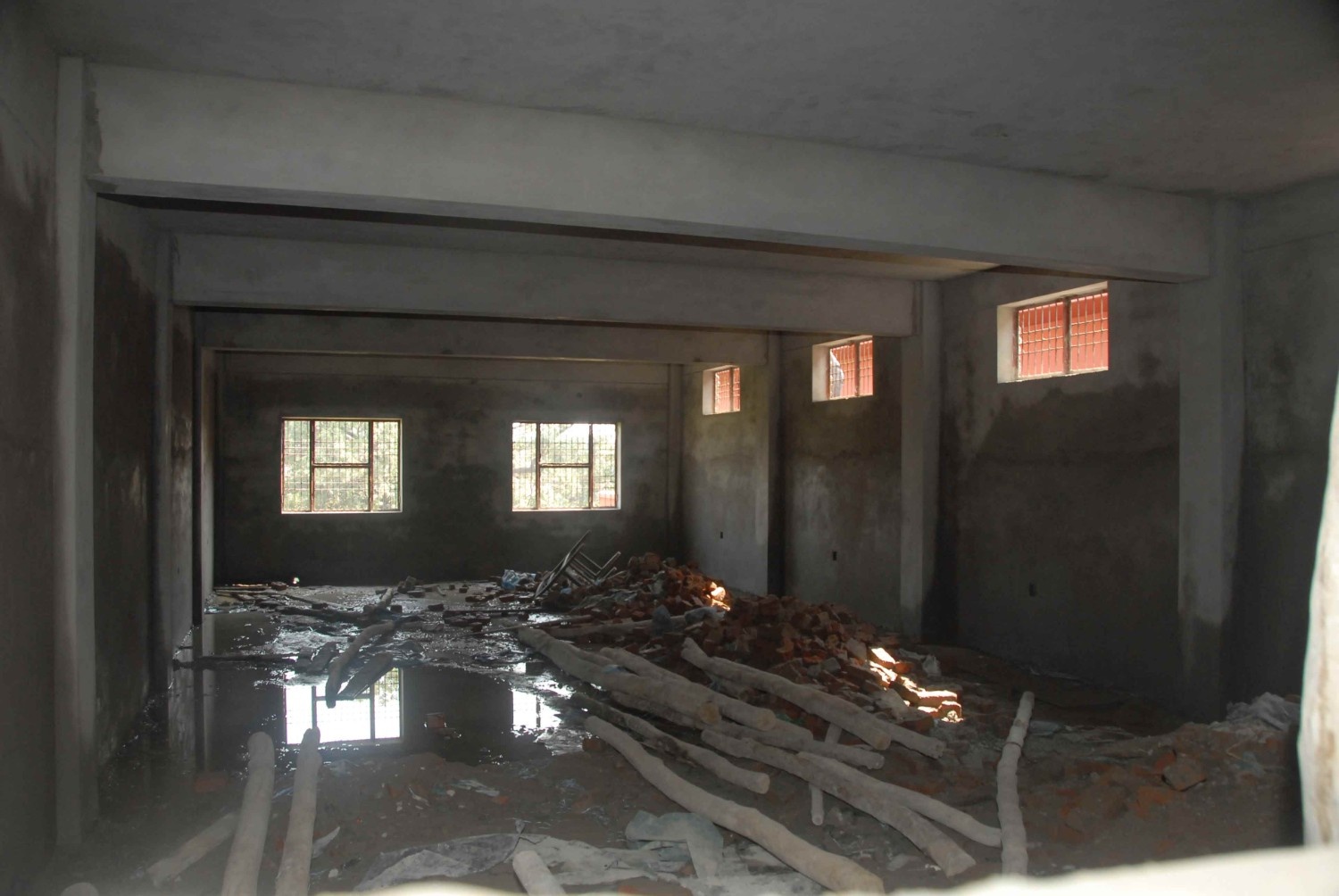
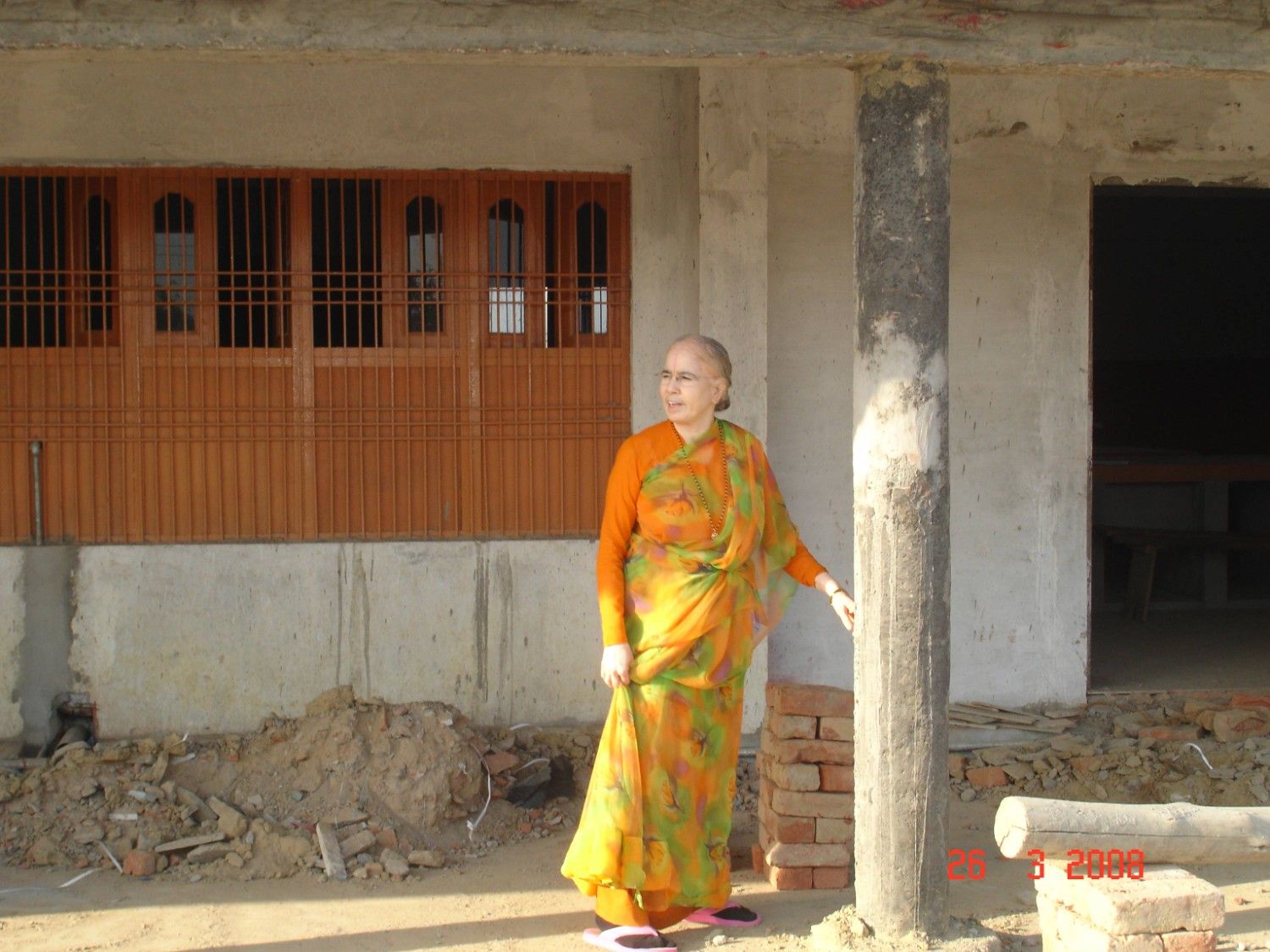
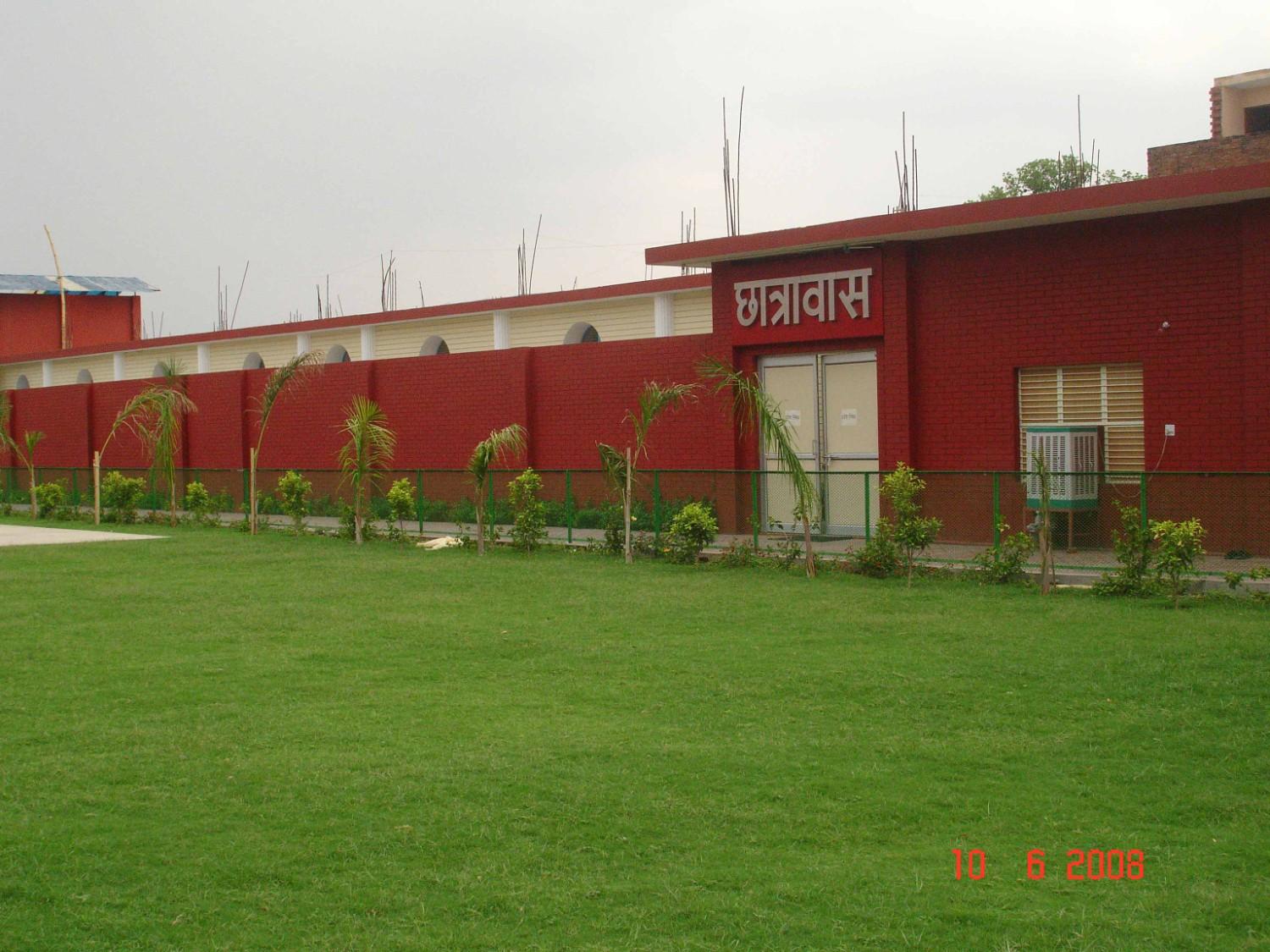
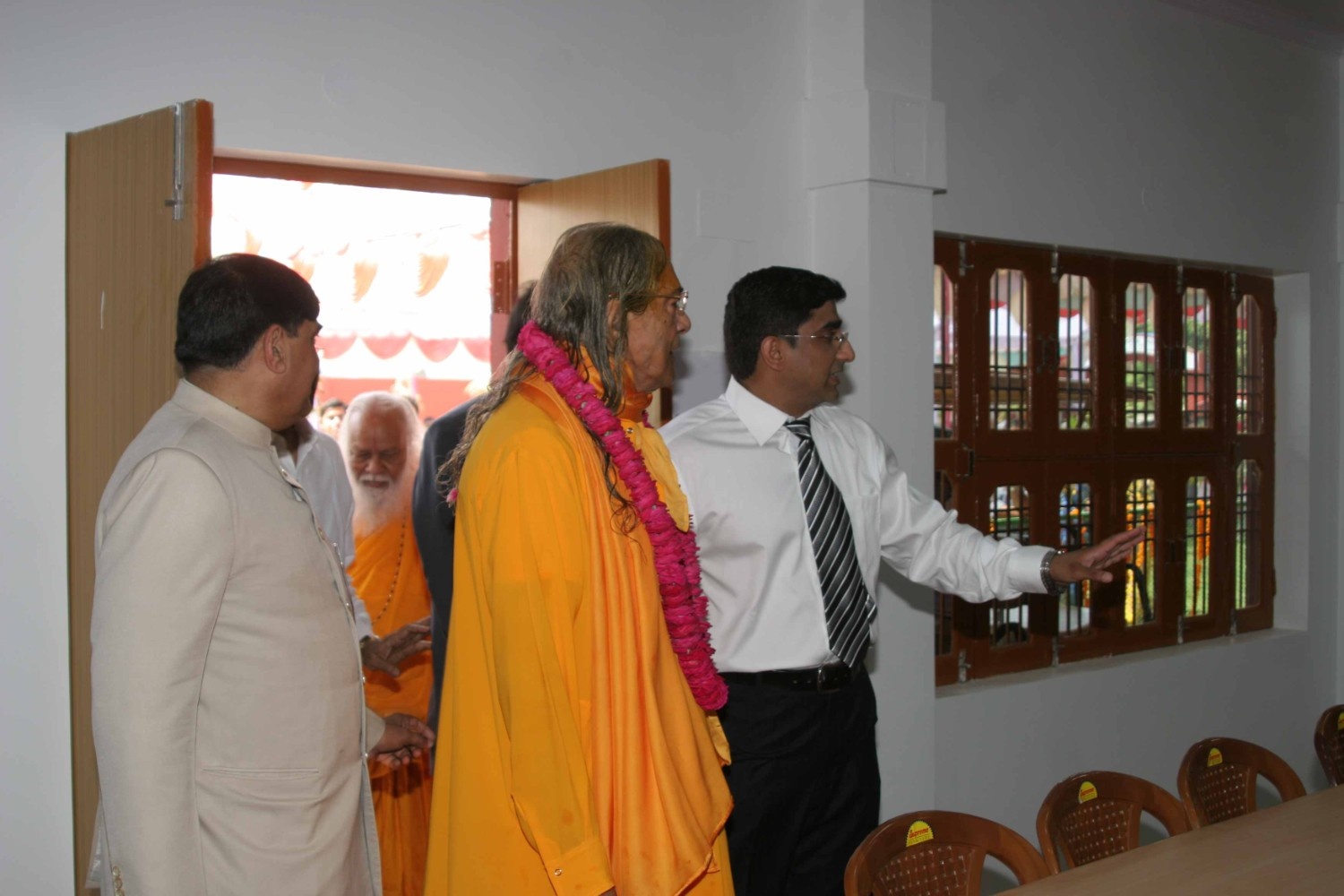
Though progress unfolded gradually at the onset, it marked a successful beginning for KMM. Establishing a degree-level college in such a rural and underserved region naturally presented challenges. Providing education to women in this locale has always been, and continues to be, a demanding task. The region’s underdeveloped infrastructure made access to even the most basic amenities for an educational institution exceptionally limited. Despite these constraints, essential infrastructure, including classrooms and hostel facilities, was established during this phase, laying a strong foundation for the Institution’s future growth.

Despite the challenges, KMM successfully laid the groundwork by achieving the following milestones:

  • Affiliation for B.A. Course 
  • Affiliation for B.Ed. Course
  • Construction of B.A. & B.Ed. building requirements
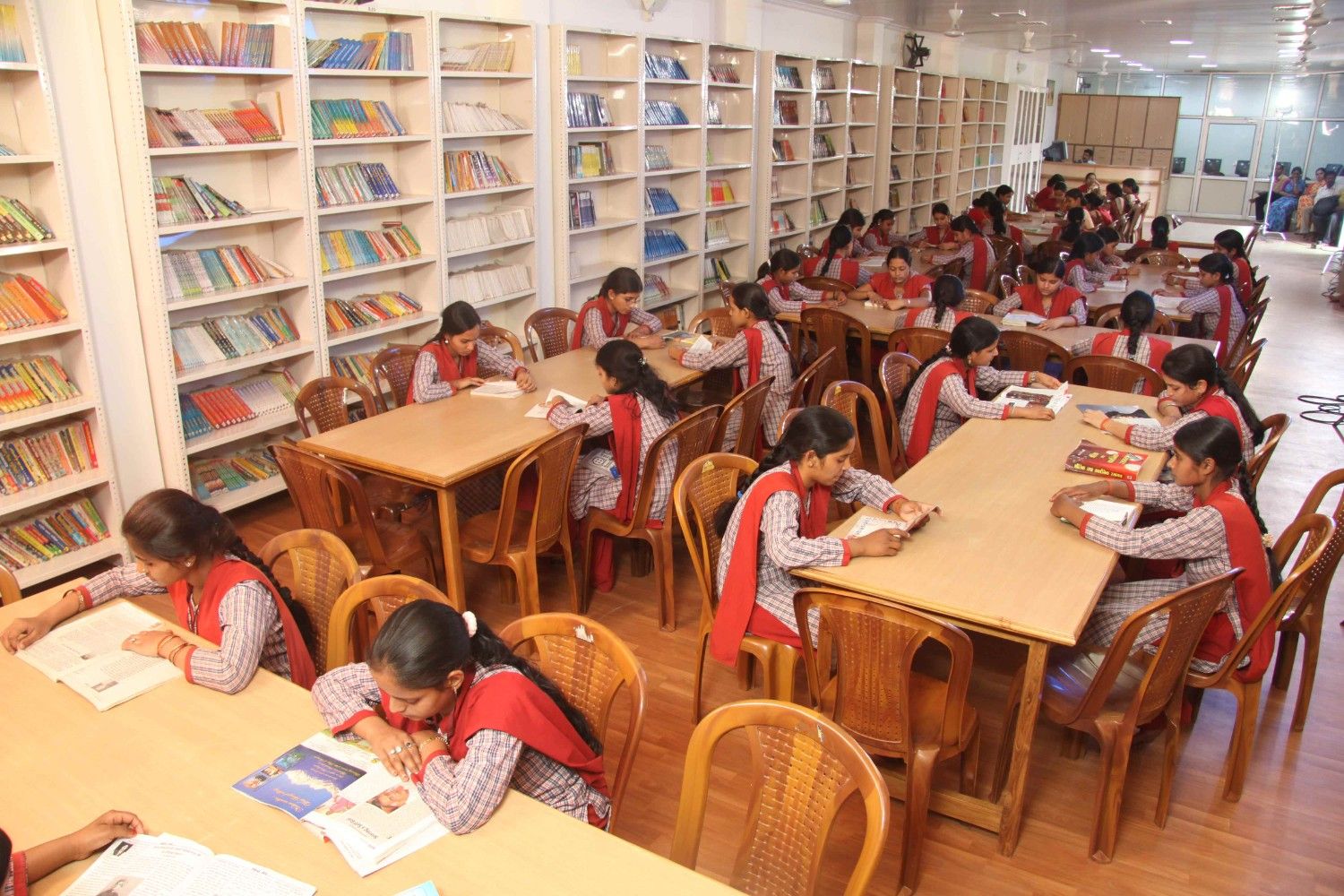
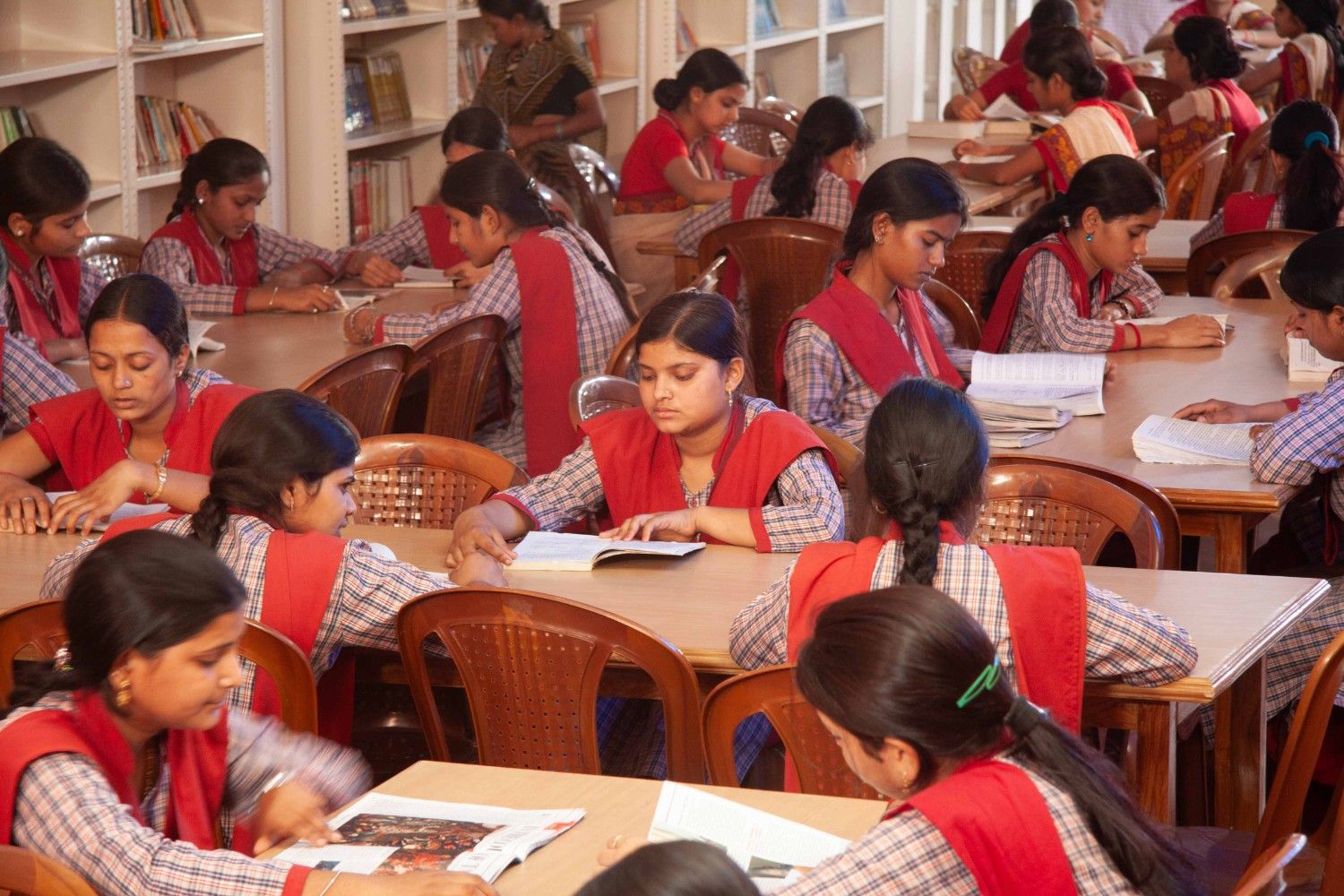
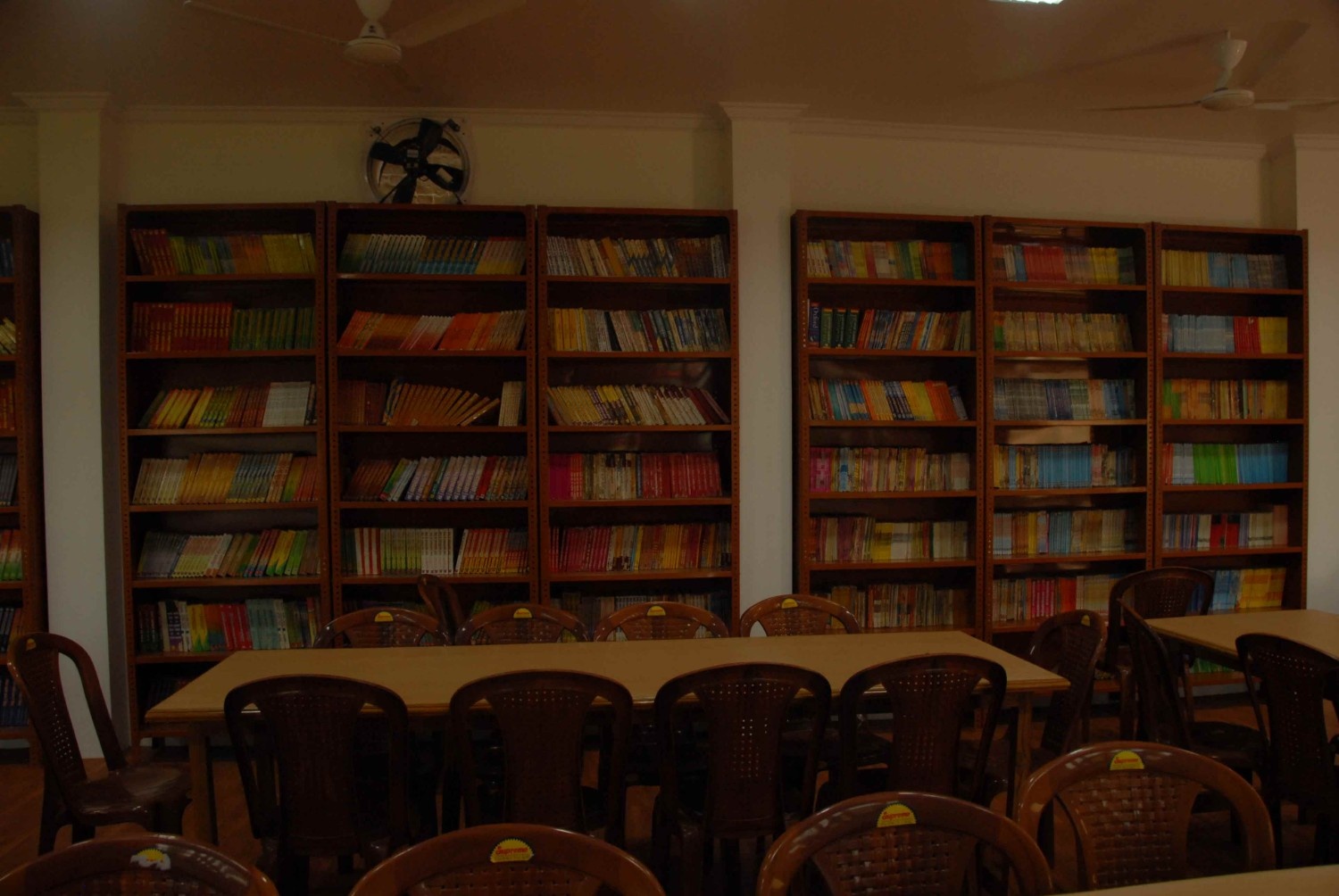
  • Furnished library and labs
  • Publication of the college’s annual magazine “Kripalu” 
  • Outstanding university examination results for B.A. batches 
  • Positive Community Reception 
  • Implementation of modern teaching techniques

PHASE 2 (2005 – 2010) – STRENGTHENING ROOTS FOR VISIONARY GROWTH

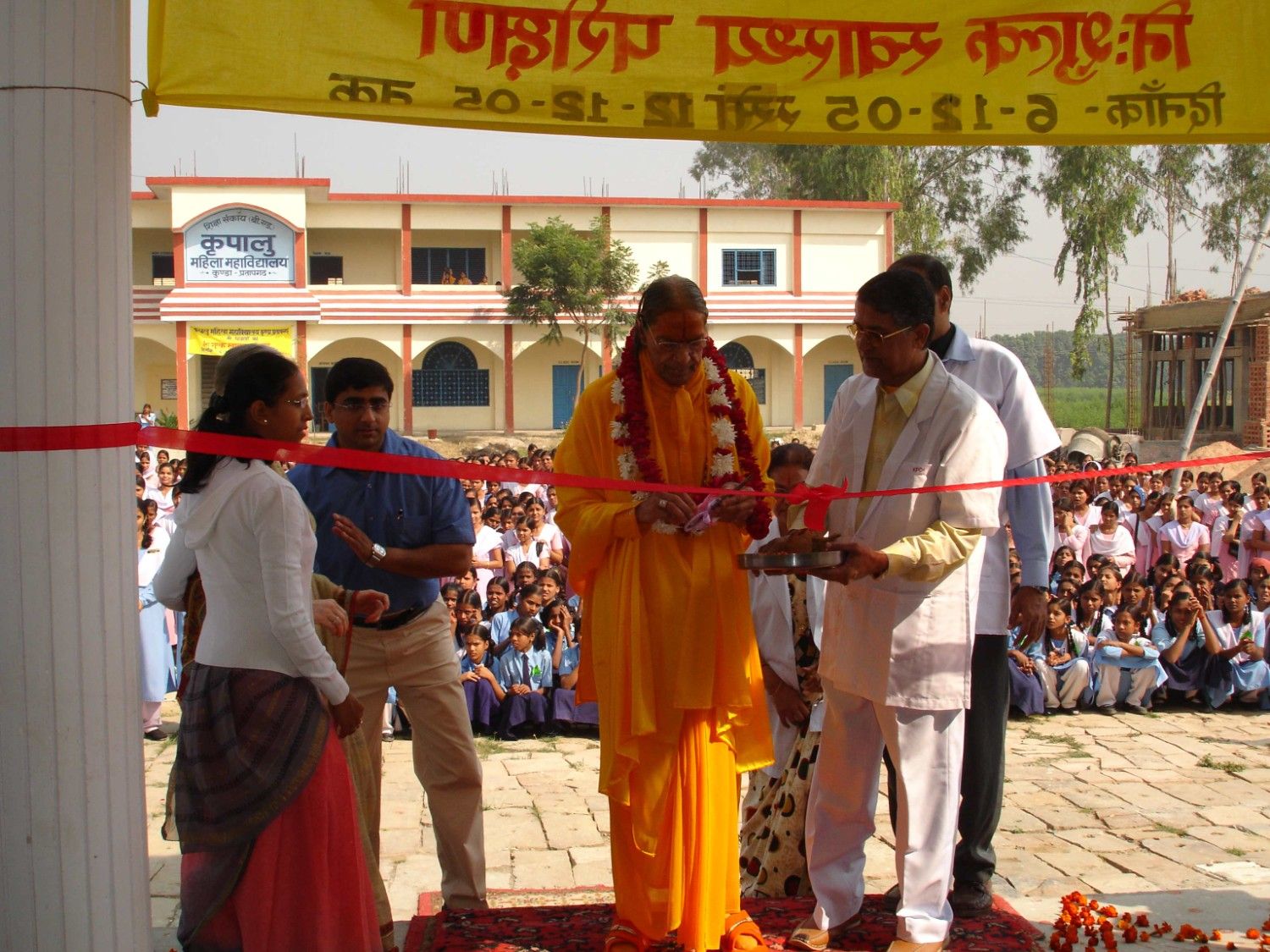
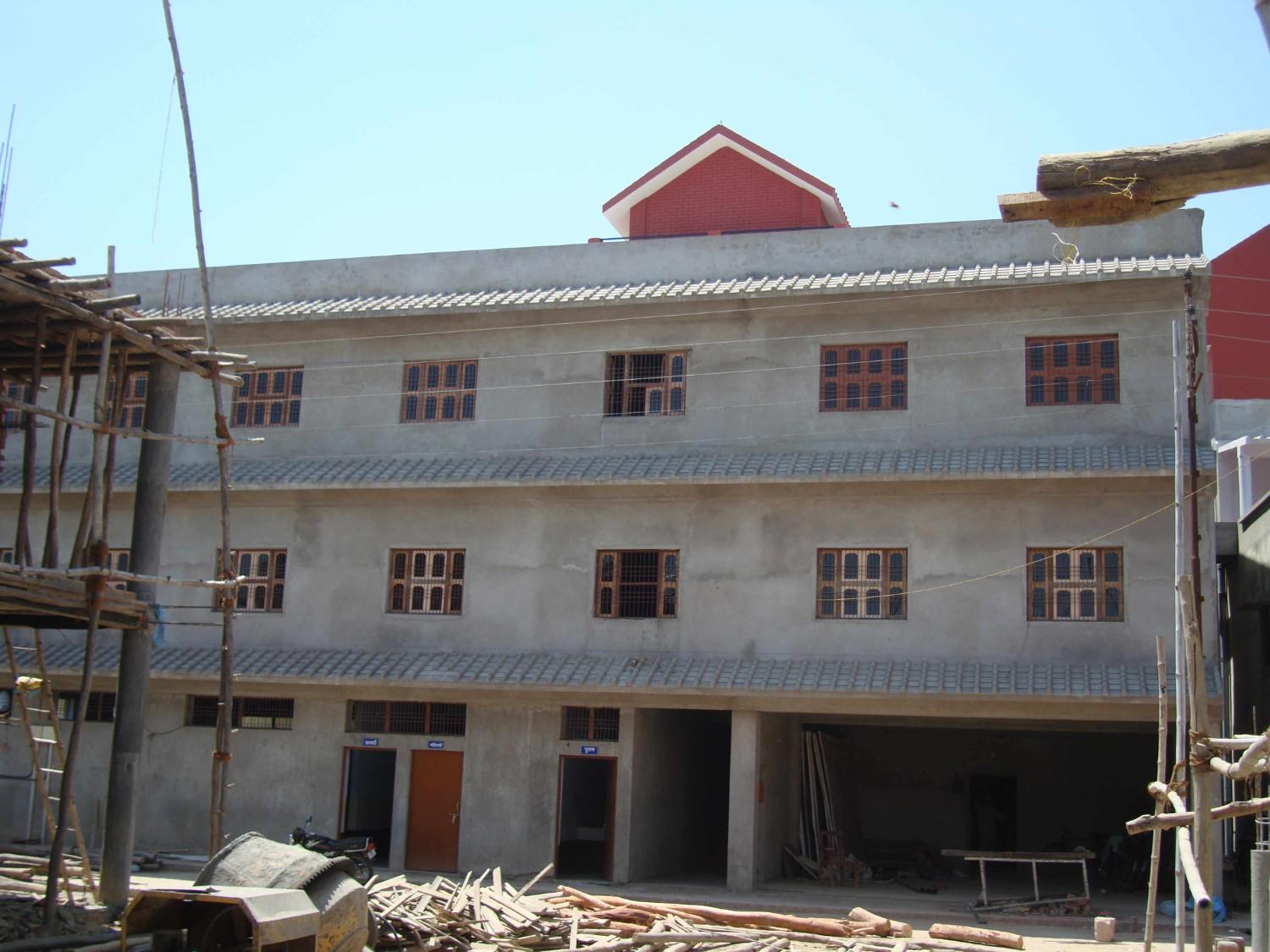
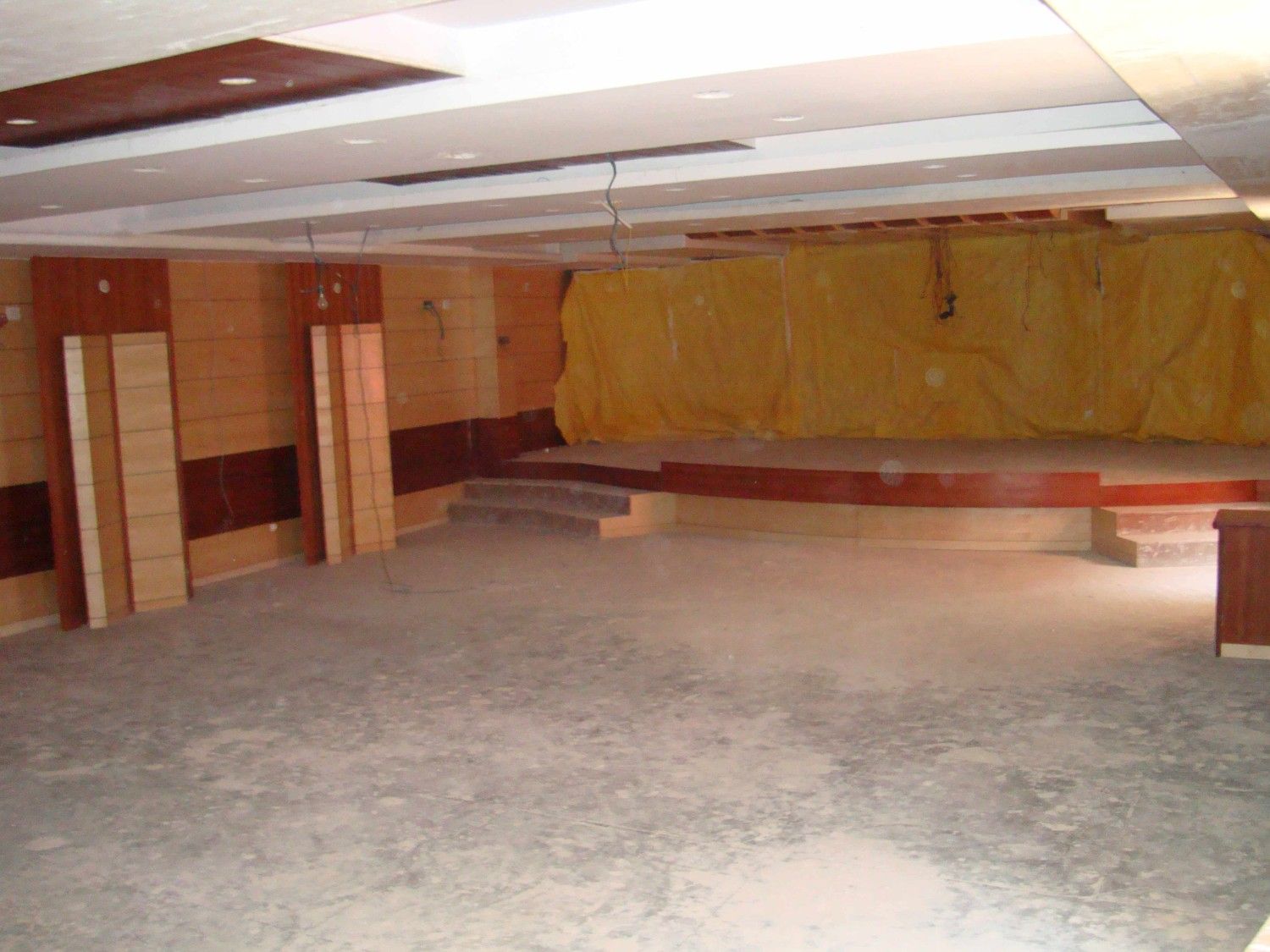
Phase 2 was a very important phase for KMM, as this period was designated for overall development—from adding new courses to acquiring more land, building new infrastructure, and providing students with the best possible academic environment. Massive construction and development began in 2005.

Promotion of quality education was KMM’s main agenda. There was a substantial positive change in the working culture as well. The most significant milestone during this phase was the declaration by our Founder, Jagadguru Shri Kripalu Ji Maharaj, to offer 100% free education to all the students at the institution.

Key Highlights during this phase (2005 – 2010):

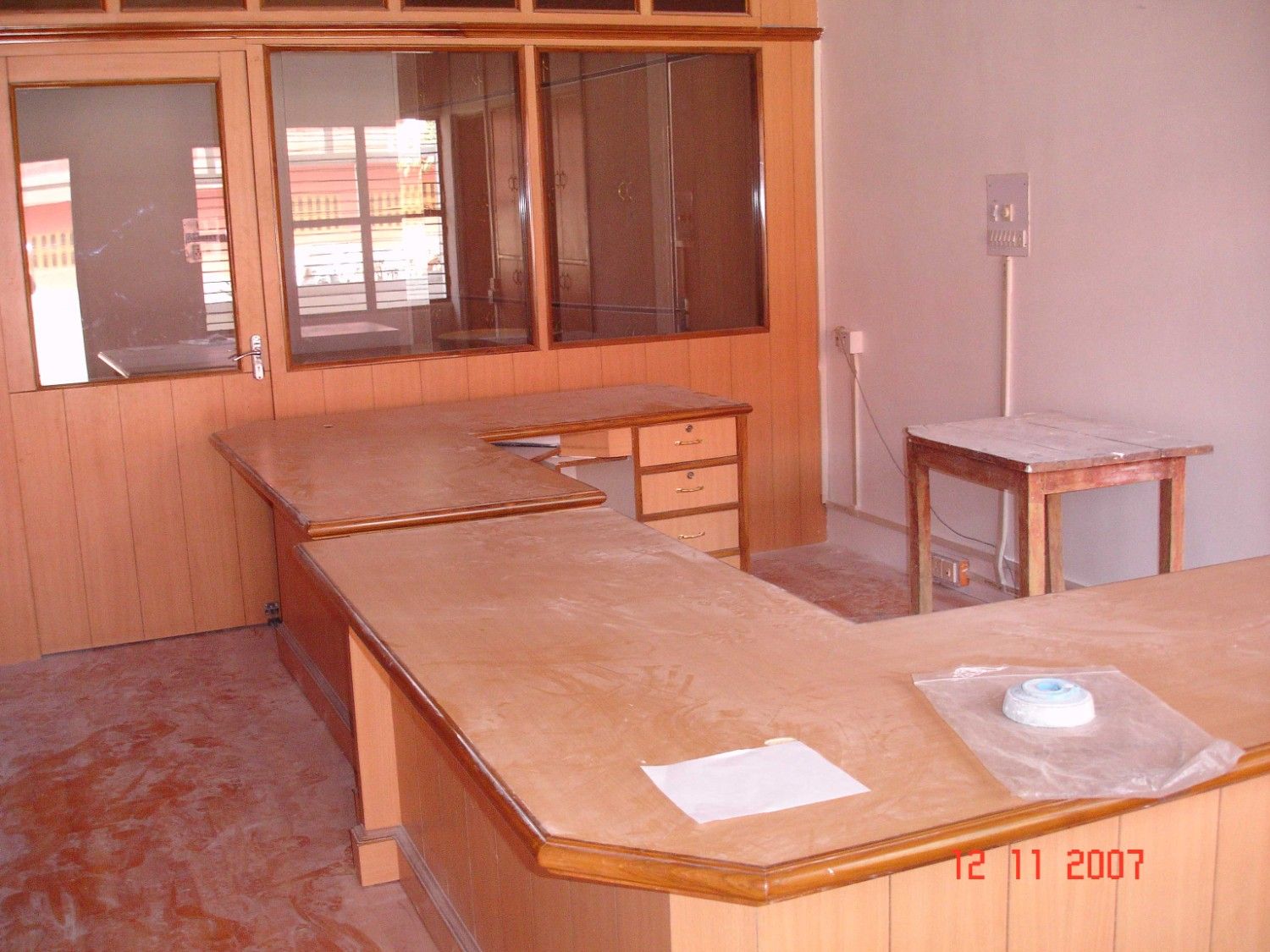
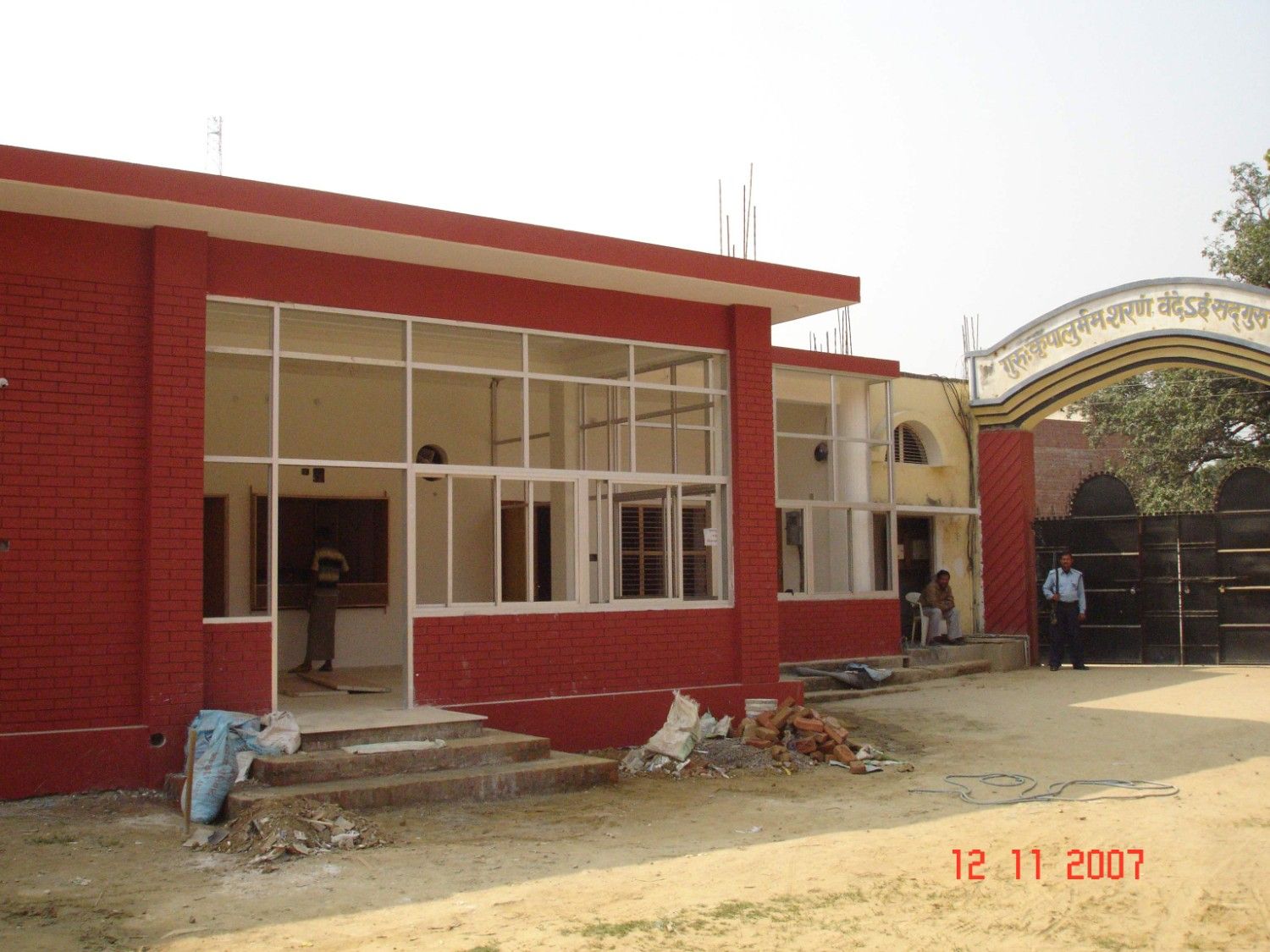
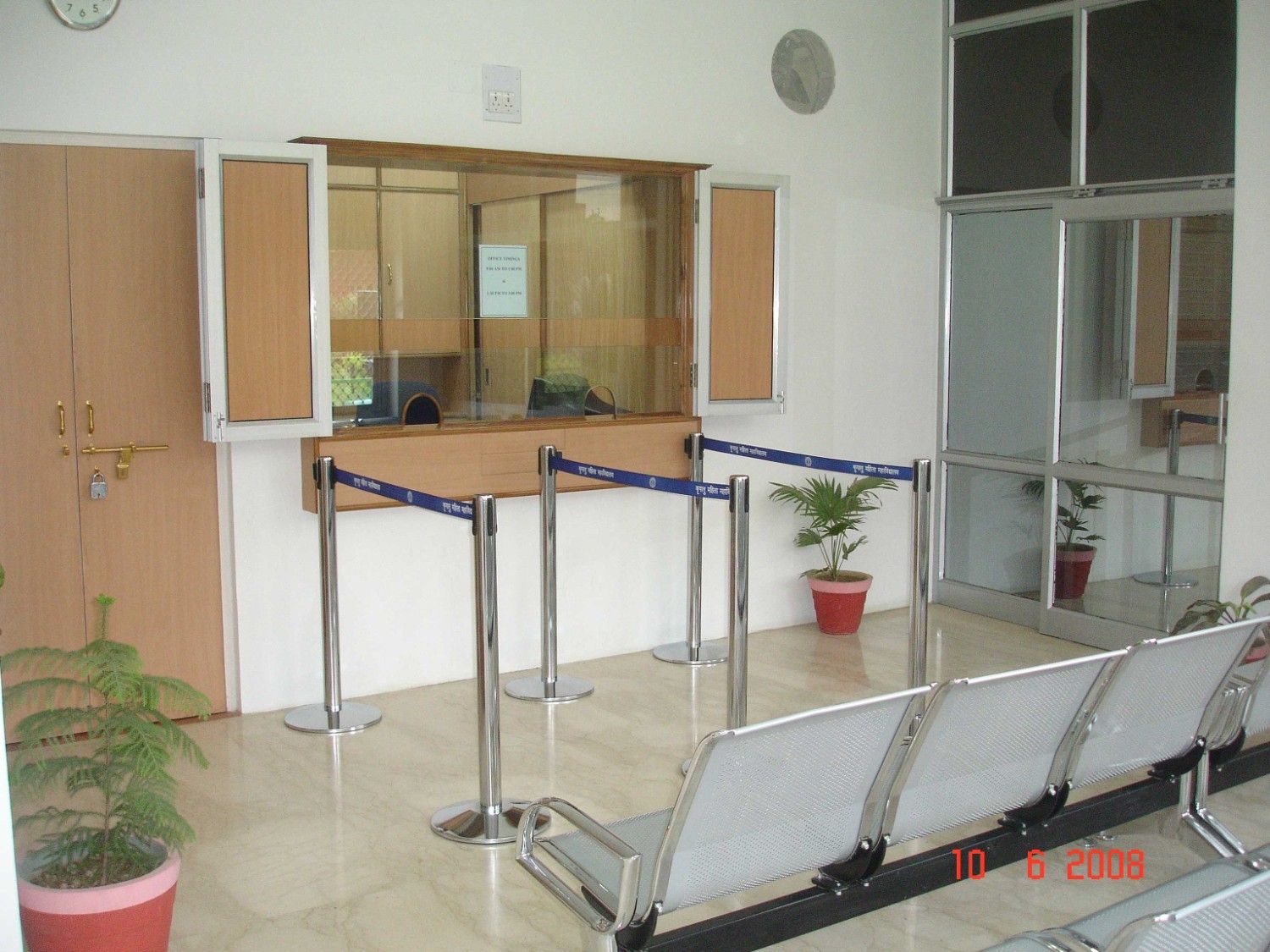
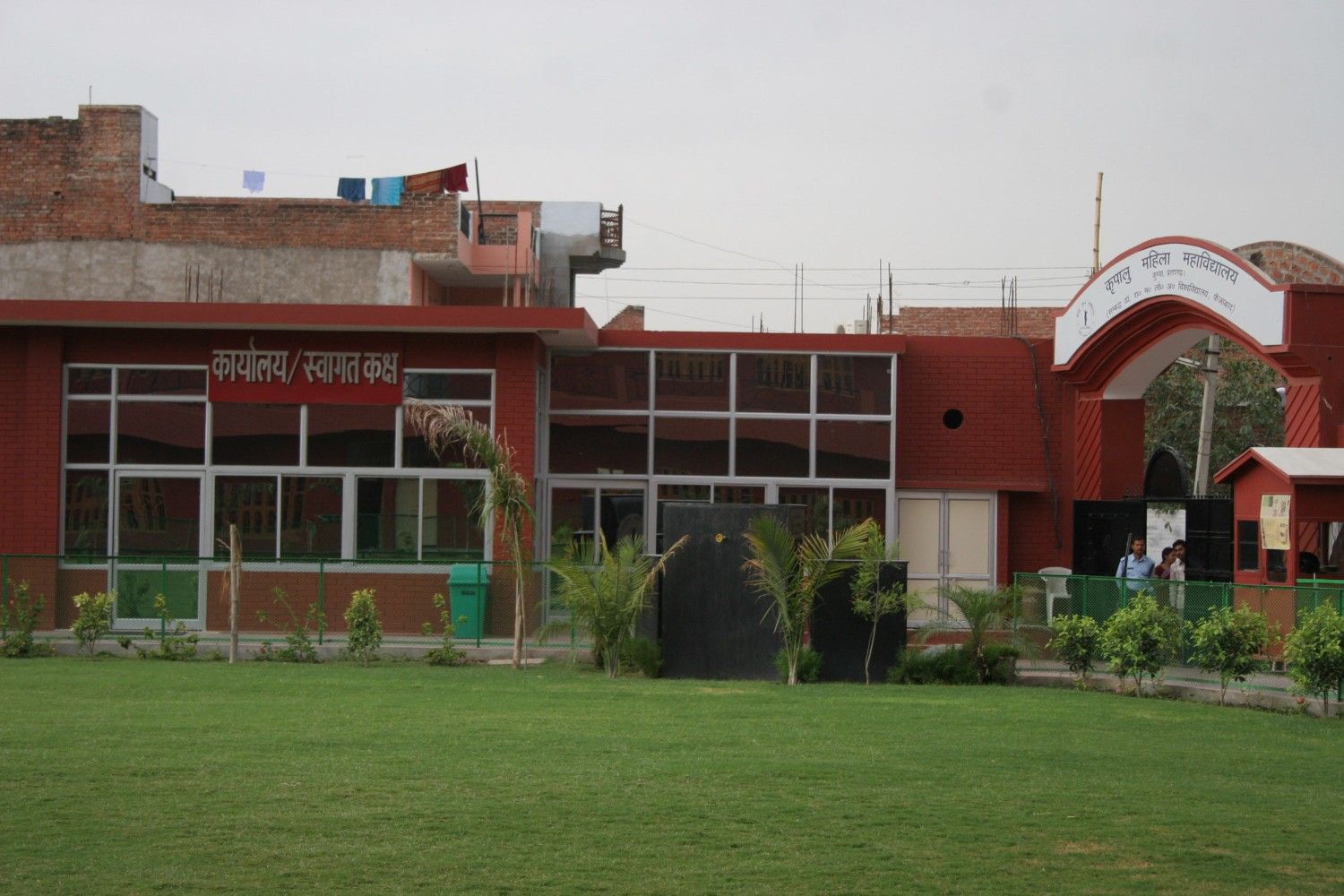
  • Construction of a dedicated office block for proper functioning and record maintenance of the students.

  • Installation of college software to track and keep computeriseddetails of accounts, inventories, student details, staff details, etc. in order to replace manual working procedures for better functioning.

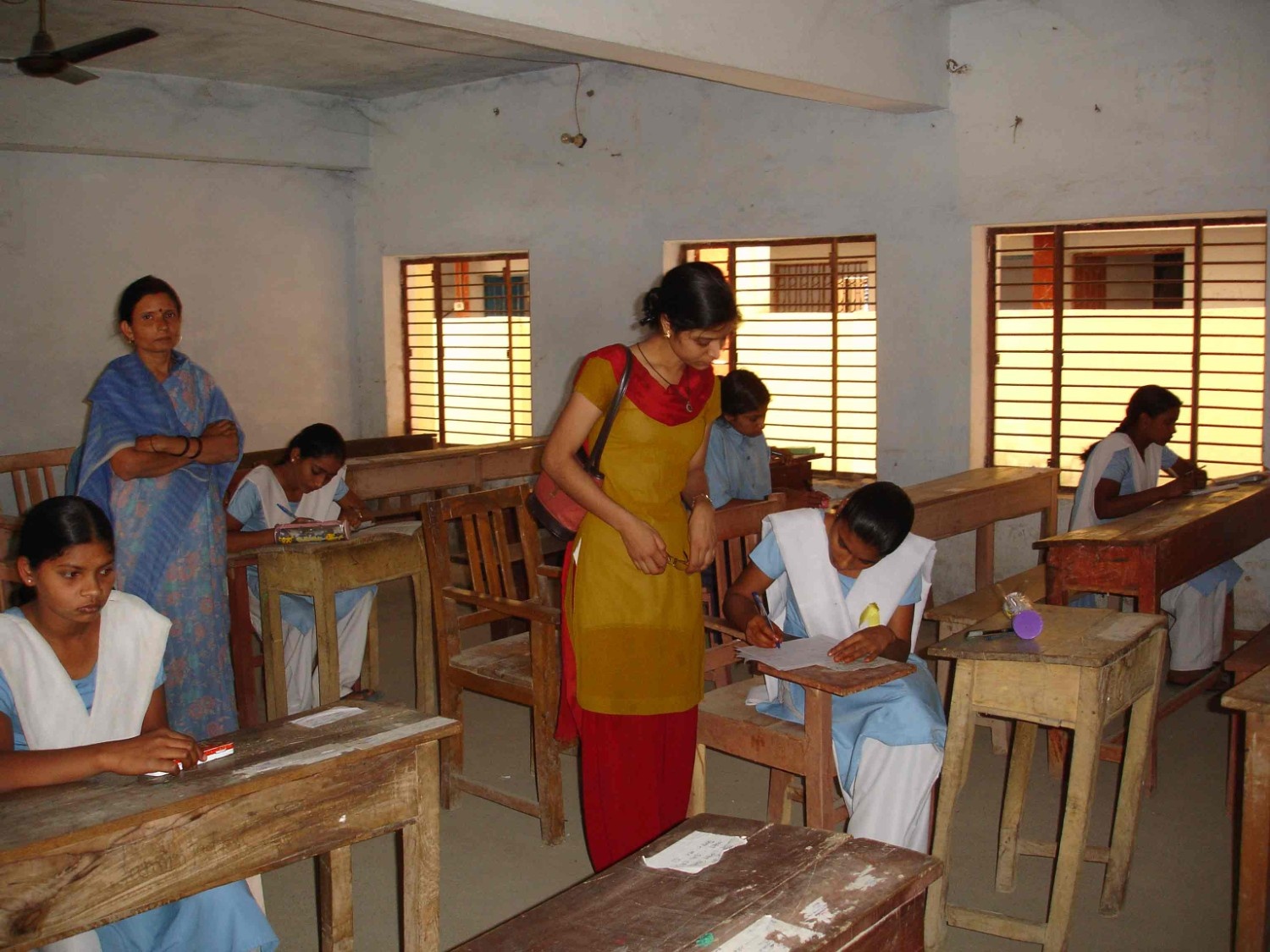
  • Outstanding University results for KMM’s first batch of B.Ed. students.

  • Construction of a new building to fulfill requirements for starting B.Sc. and M.A. courses.

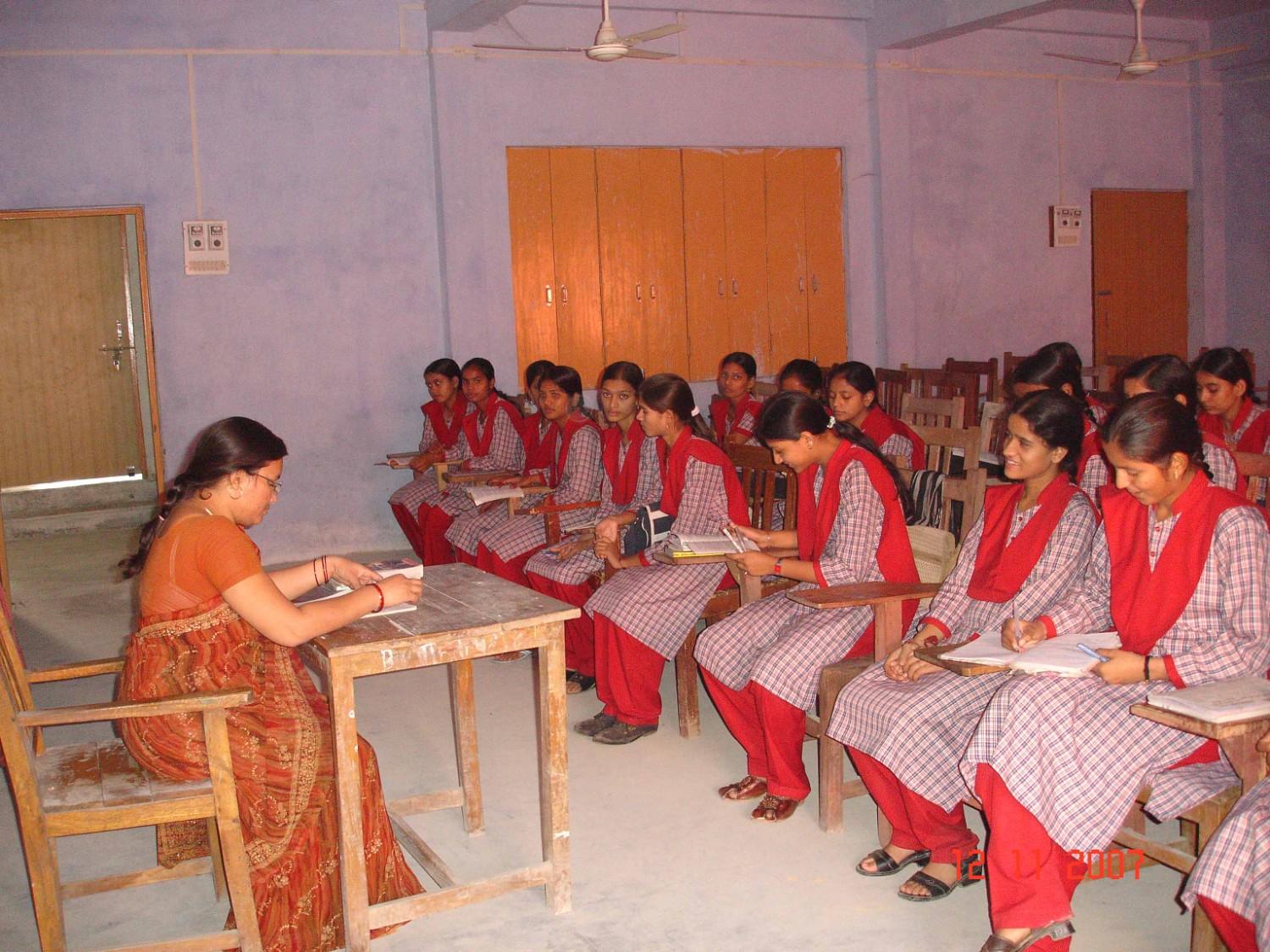
  • Classes for B.Ed. and B.A. running at full capacity.

  • Outstanding Personality Development of Students.

  • Affiliation received for B.Sc. and M.A. courses.

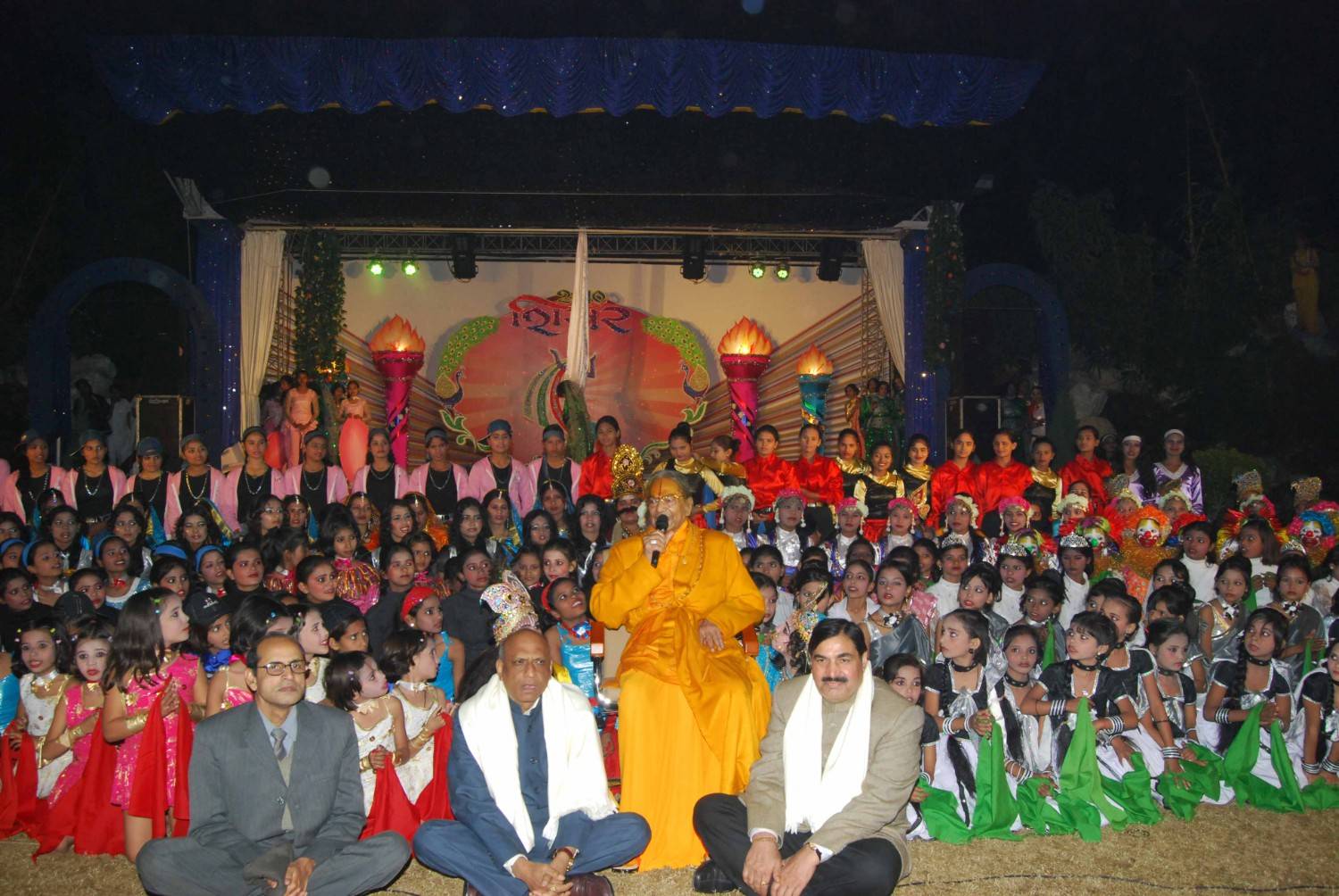
  • During the 2010 annual function ‘Shikhar’, Jagadguru Shri Kripalu Ji Maharaj declared that the institution would offer 100% free education to all its students.

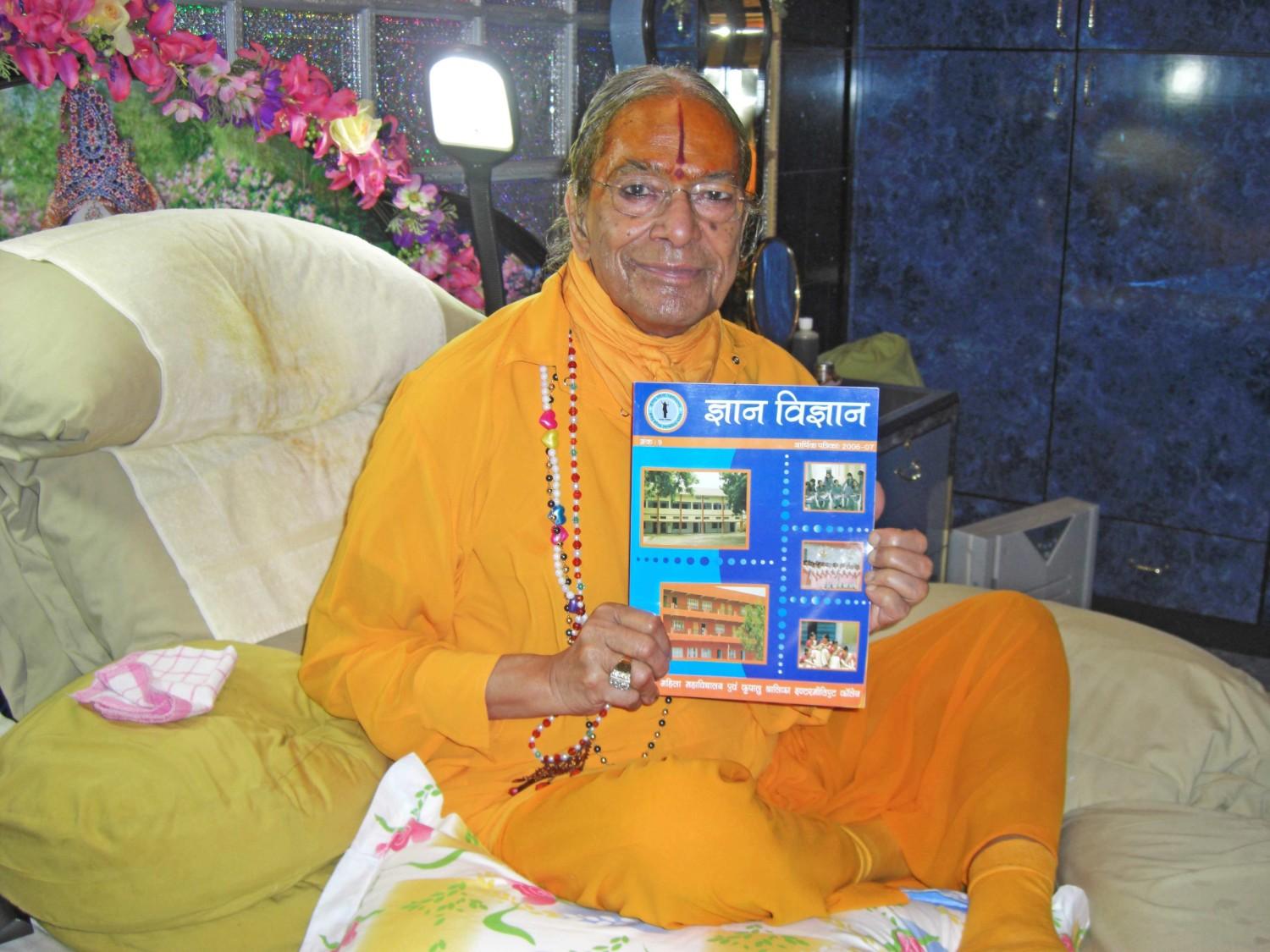
  • The college’s annual magazine was renamed from “Kripalu” to “Gyan-Vigyan” by Jagadguru Shri Kripalu Ji Maharaj himself.

  • The annual function, previously known as “Shikhar”, was renamed “Utthaan” by Jagadguru Shri Kripalu Ji Maharaj. While Shikhar—meaning “summit” or “peak”—symbolised achievement, Utthaan carries a deeper connotation of upliftment, awakening, and progressive rise, and better reflects the essence and evolving vision of the event.
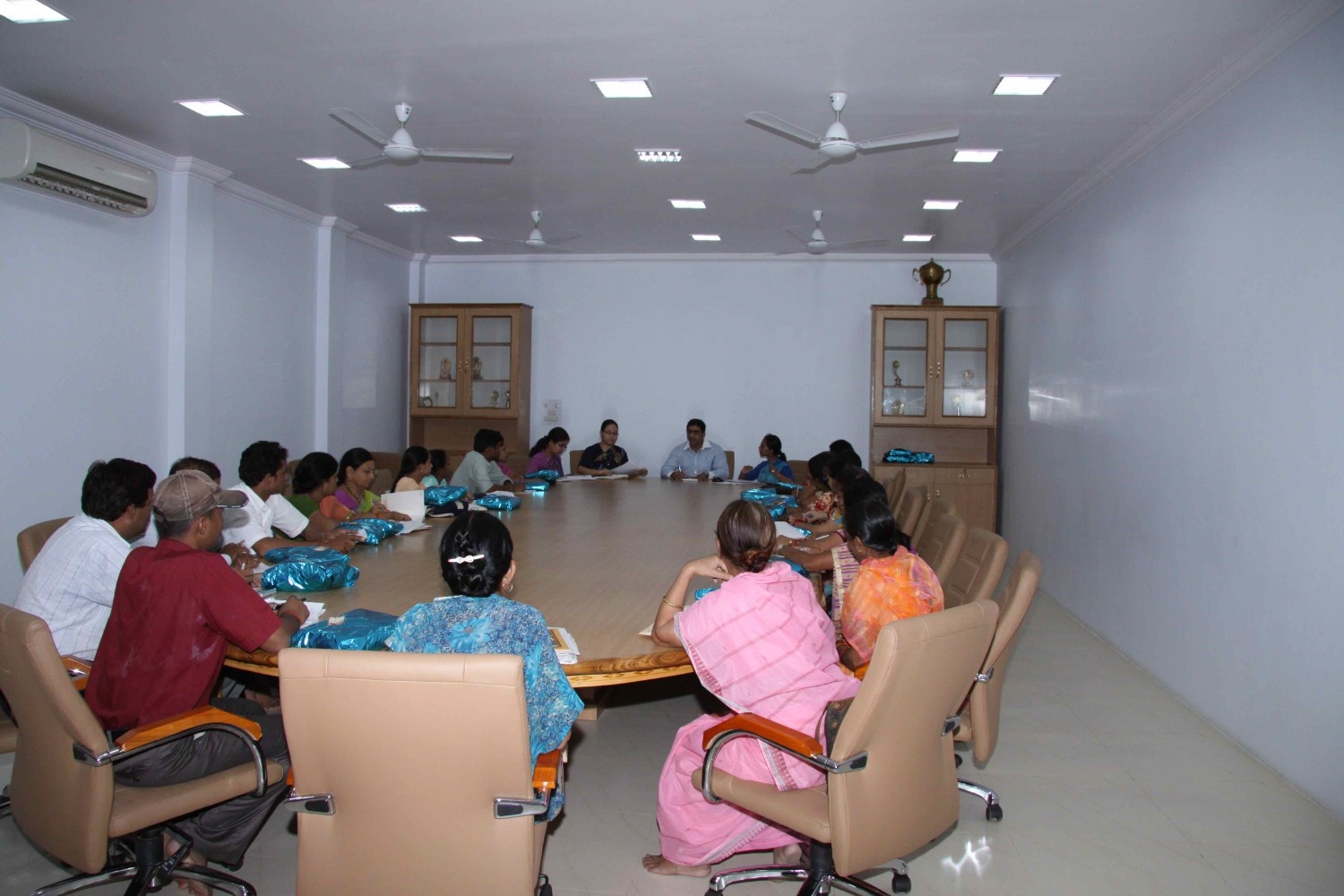
Phase 2 marked a significant period of growth and development, laying a strong foundation for its continued growth and success. This success was the result of the continuous support from our donors, coupled with the tremendous hard work, dedication, and efficient implementation of a well-crafted strategic plan by the dedicated team at KMM. As a testament to this success,KMM entered its 3rd phase three years ahead of its schedule timeline.

PHASE 3 (2011– 2022) – EXPANSION BEYOND THE HORIZON

Looking ahead, KMM anticipated Phase 3 to be a promising period with the highly elevated standards of education.This phase begum with the continued provision of free education, as our aim was to ensure that students receive a high-quality learning experience in the years to come. The institution planned to expand by introducing new courses and further developing its infrastructure. KMM remained determined to establish a strong reputation—one that would speak for itself. Some key highlights of the journey were as follows:

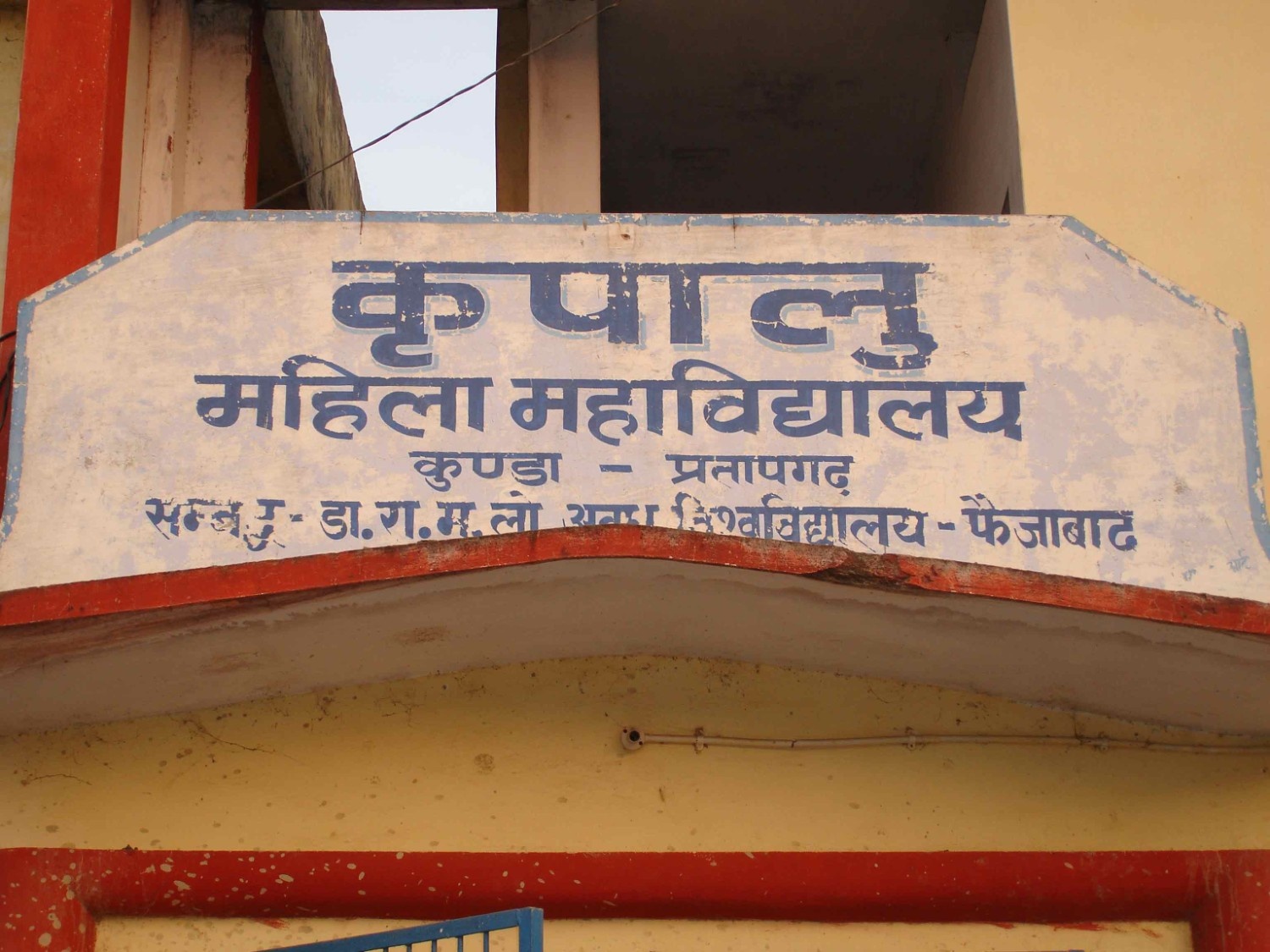
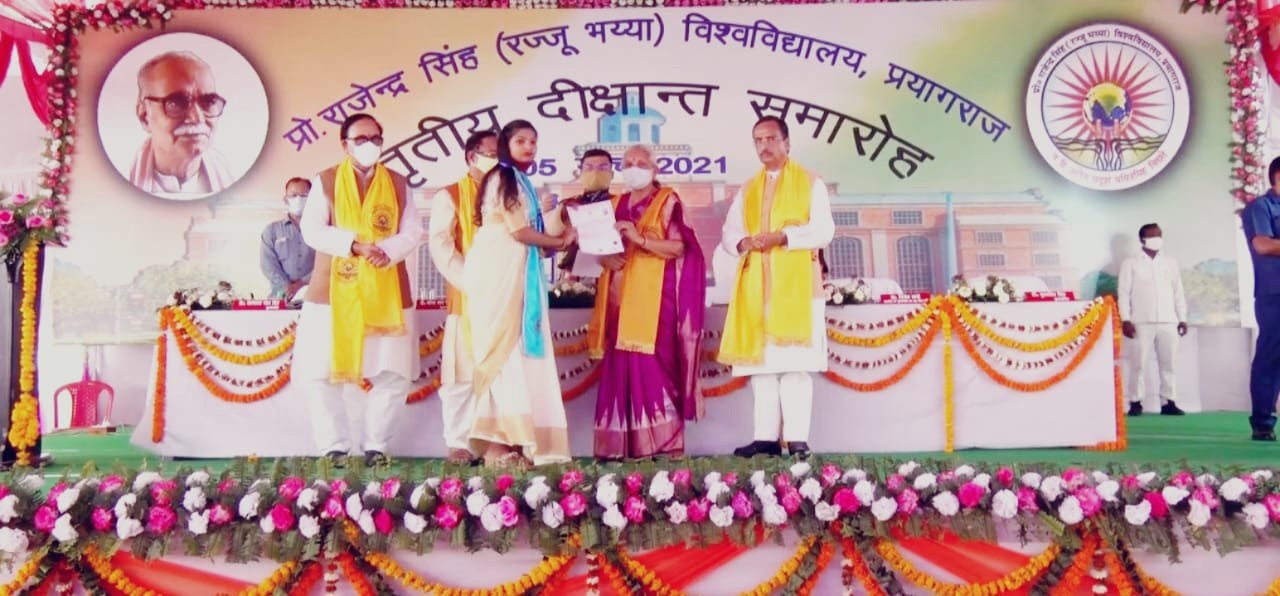
  • To shorten the university-college ratio and to improve the administrative efficiency, the affiliation of Kripalu Mahila Mahavidyalaya was shifted from Dr. Ram Manohar Lohia Avadh University, Faizabad, toProf. Rajendra Singh (Rajju Bhaiya) University, formerly Allahabad State University, Prayagraj.

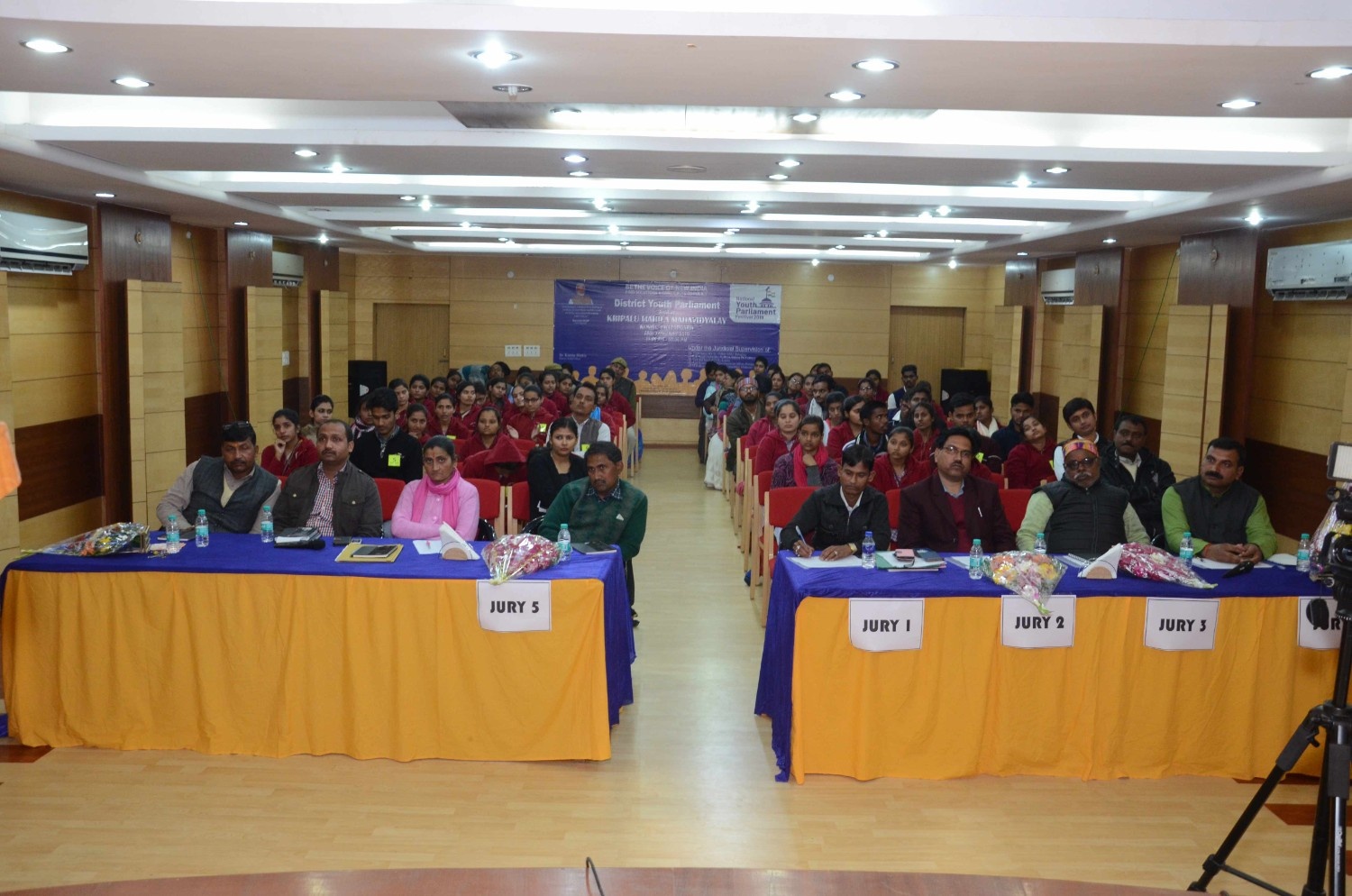
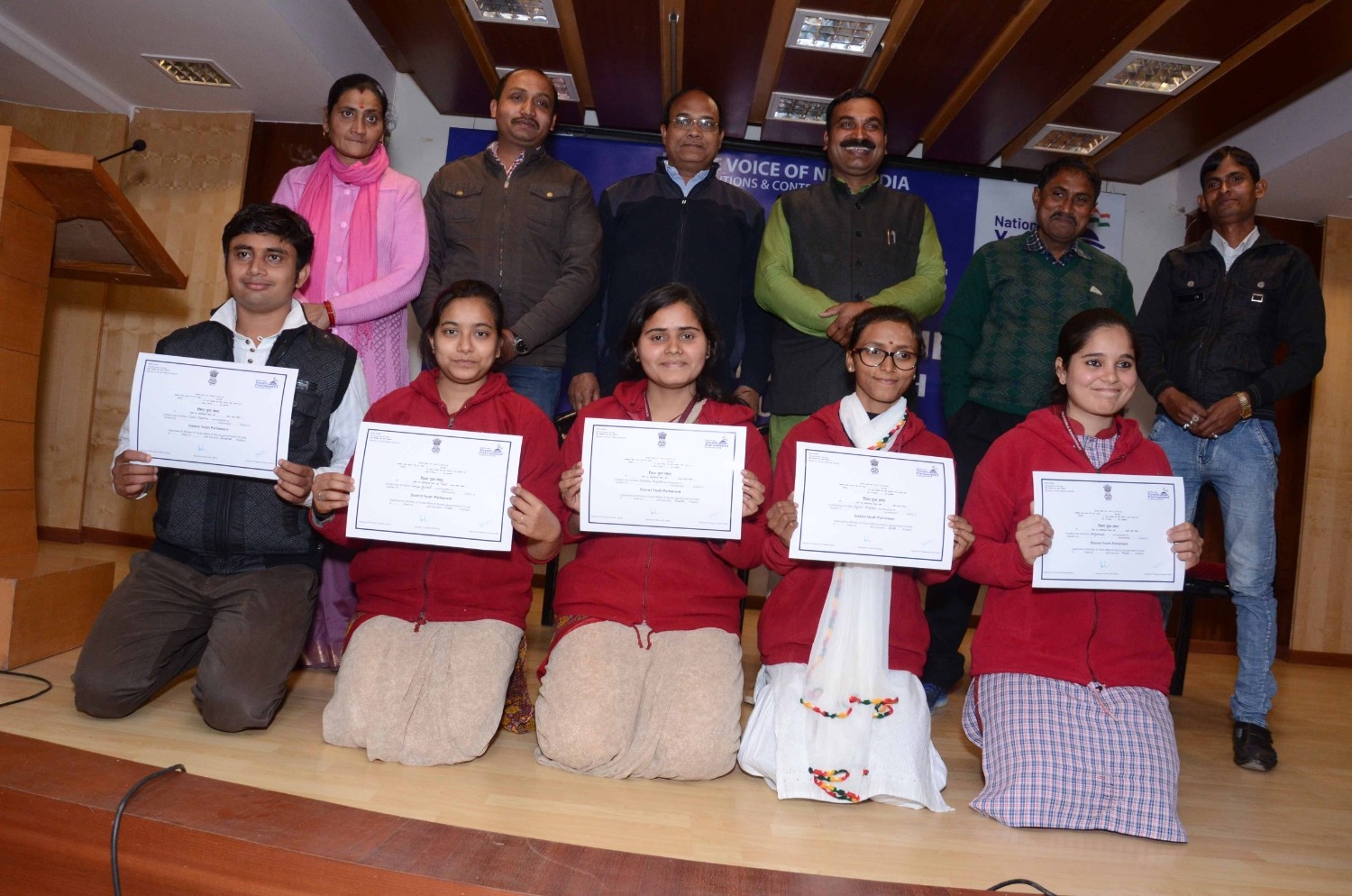
  • The National Youth Parliament, initiated by the Government of India, was organisedfor the first time in 2018–2019, with KMM serving as the nodal center for Pratapgarh District. Students of the college secured first and third positions and advanced to the state level.

  • A hallmark of this period was the exceptional academic performance of the students, who attained top positions in the university and were honored with prestigious Gold and Bronze Medals.

  • The college infrastructure was fully renovated in 2021–2022, including tiling of classrooms, complete whitewashing of the building, and upgrades to the Teachers’ Staff Room and washrooms.

  • In the academic year 2022–2023, the college received affiliation for seven additional subjects in the B.A. Programme and two additional subjects in the M.A. Programme.

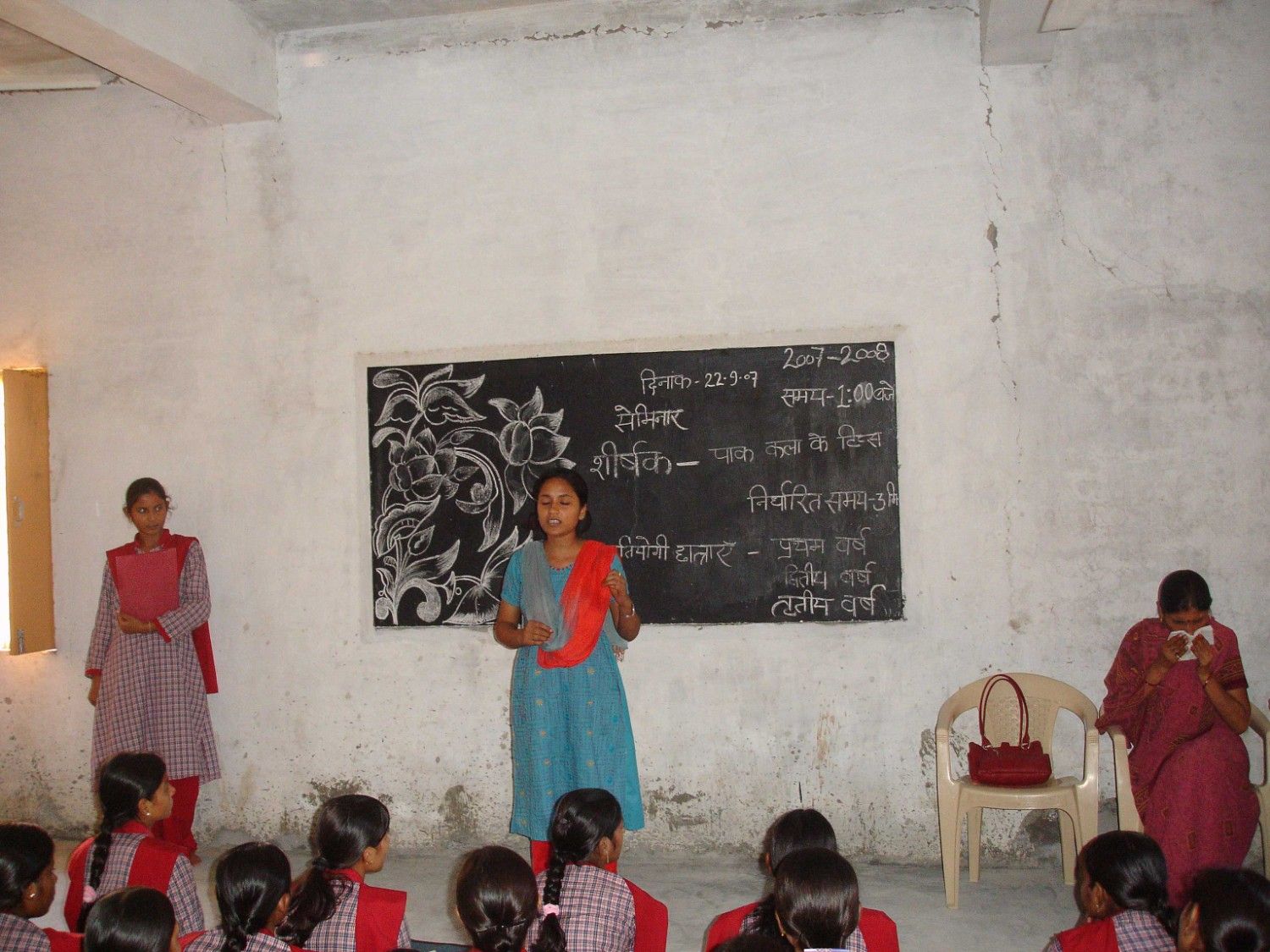
  • Seminars, debates, and similar academic activities were conducted regularly to develop students’ critical thinking and communication skills.

  • As a part of campus modernisation, CCTV cameras were installed in the classrooms and at the key locations across the campus to help ensure a safe and well-monitored learning environment.

  • Fire safety measures were enhanced through the installation of new equipment and training sessions for students, teachers, and staff.

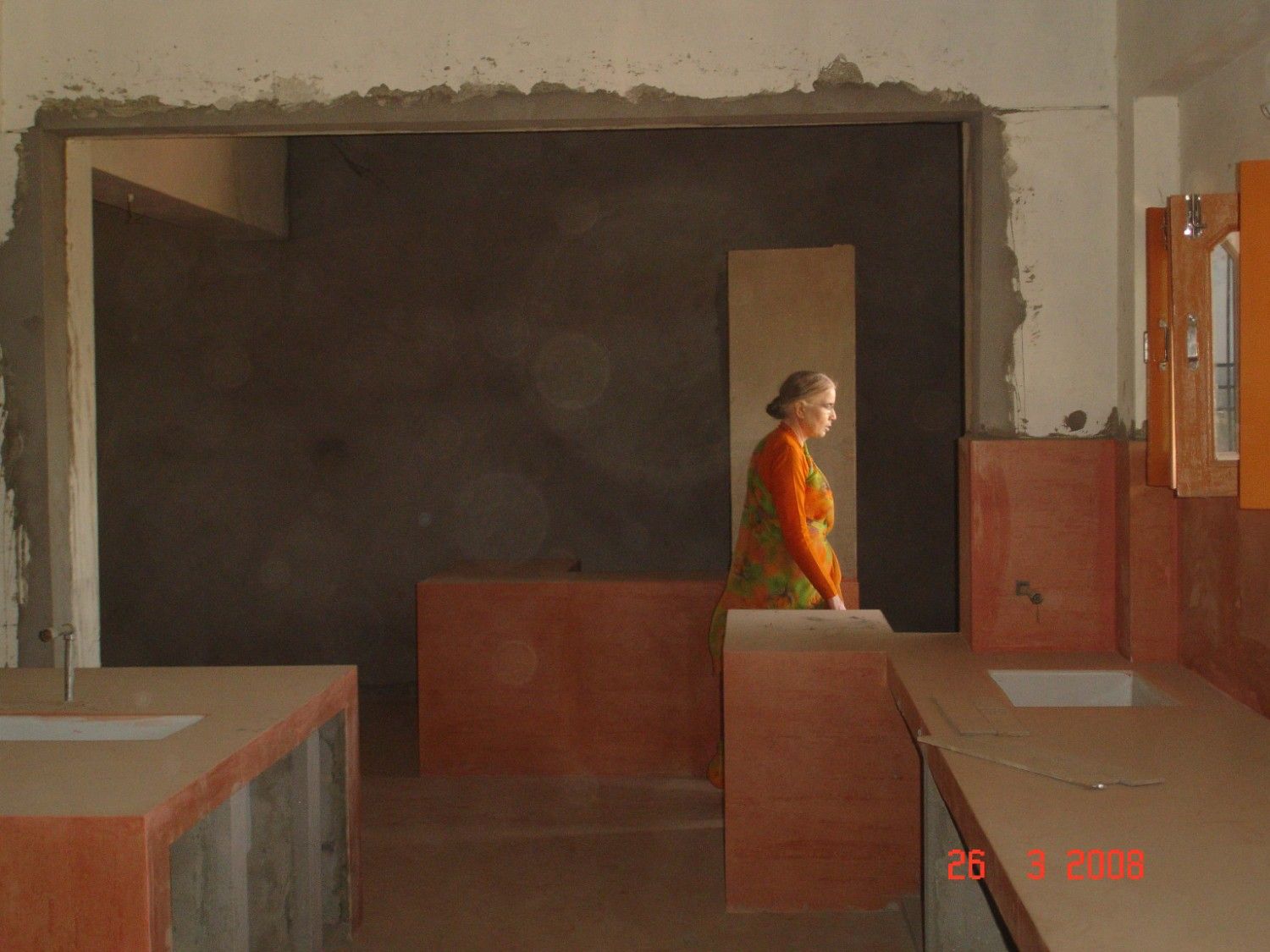
  • Facilities for staff were improved with the addition of a separate kitchen and water cooler, while student well-being was ensured through the installation of a water purification system.

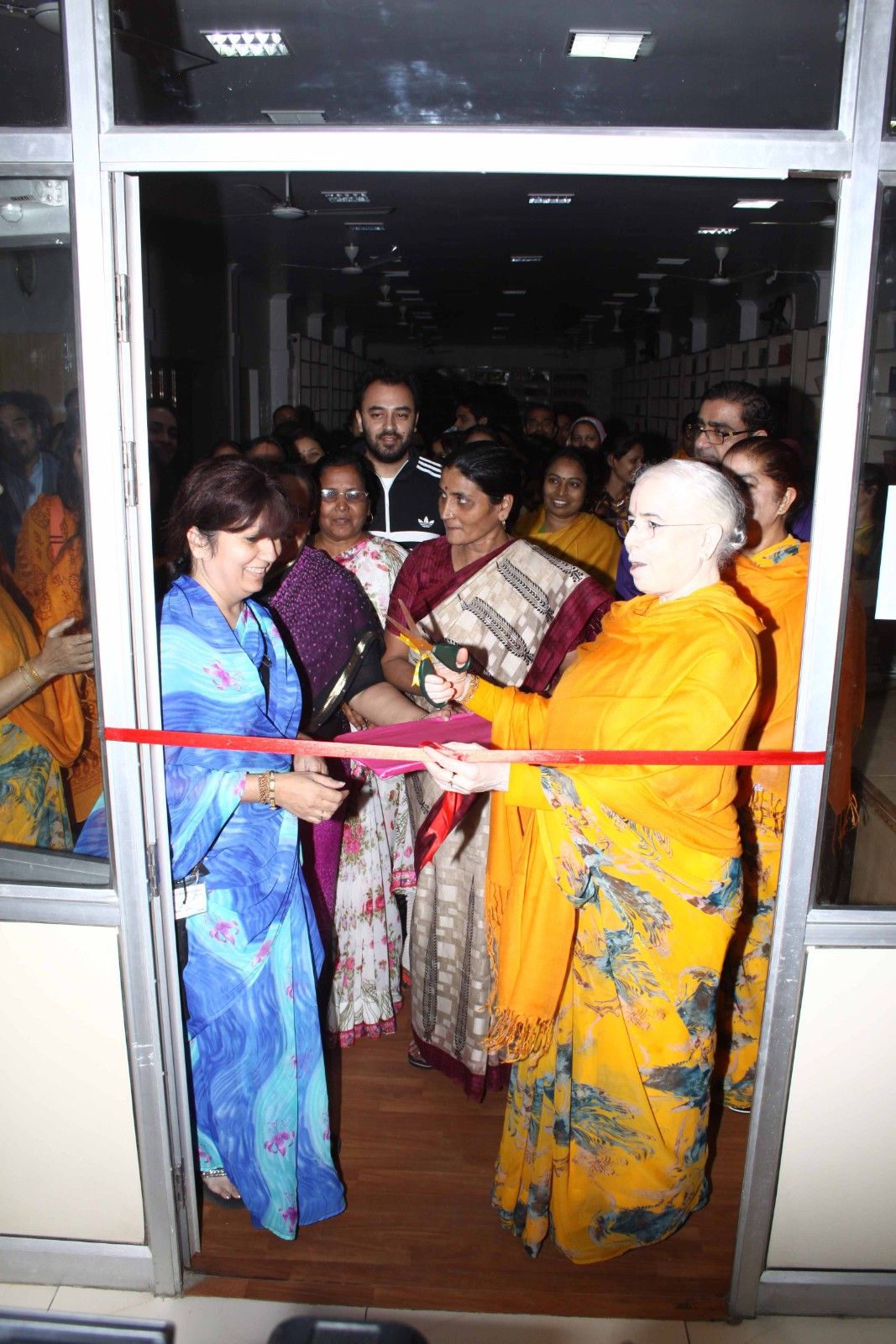
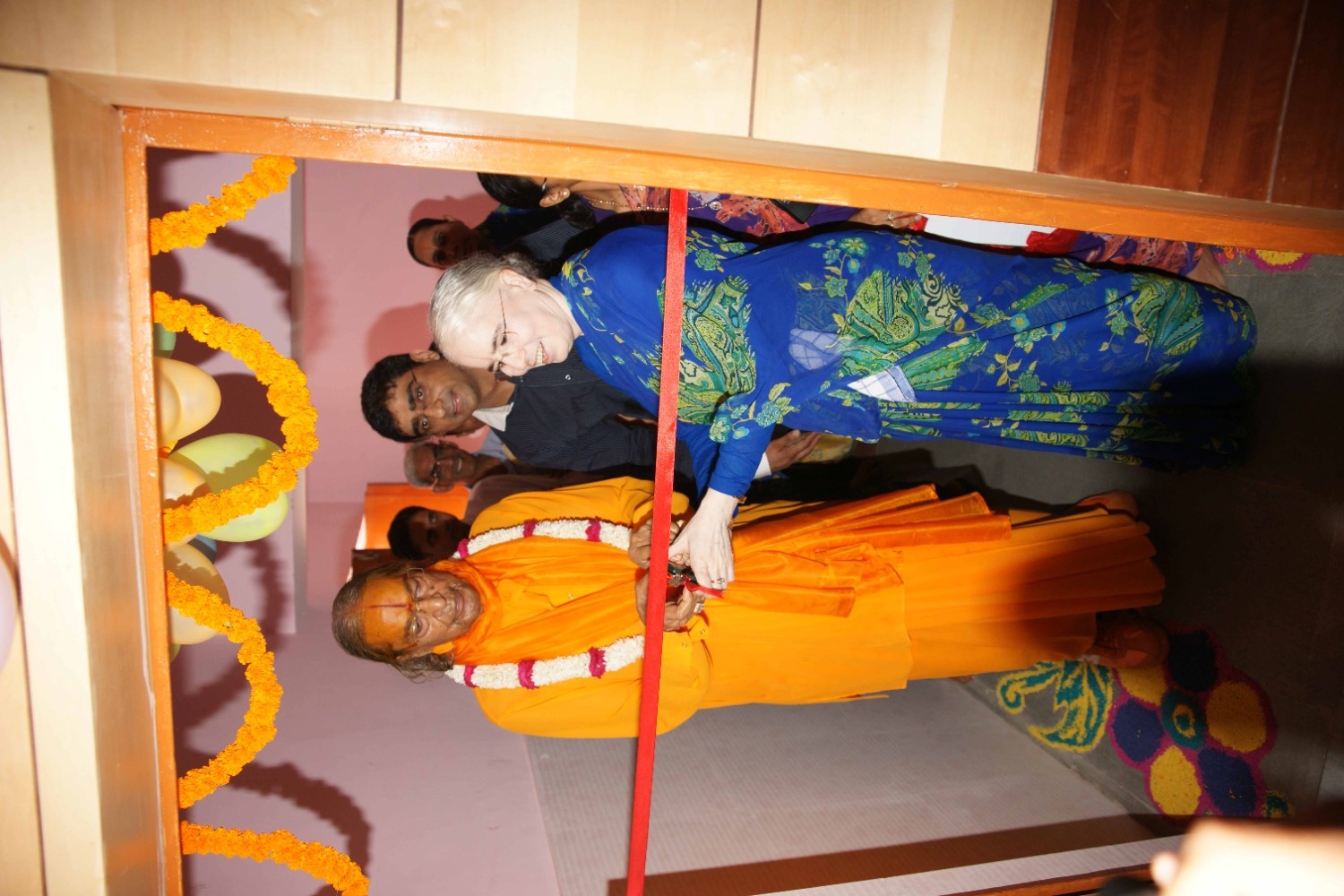
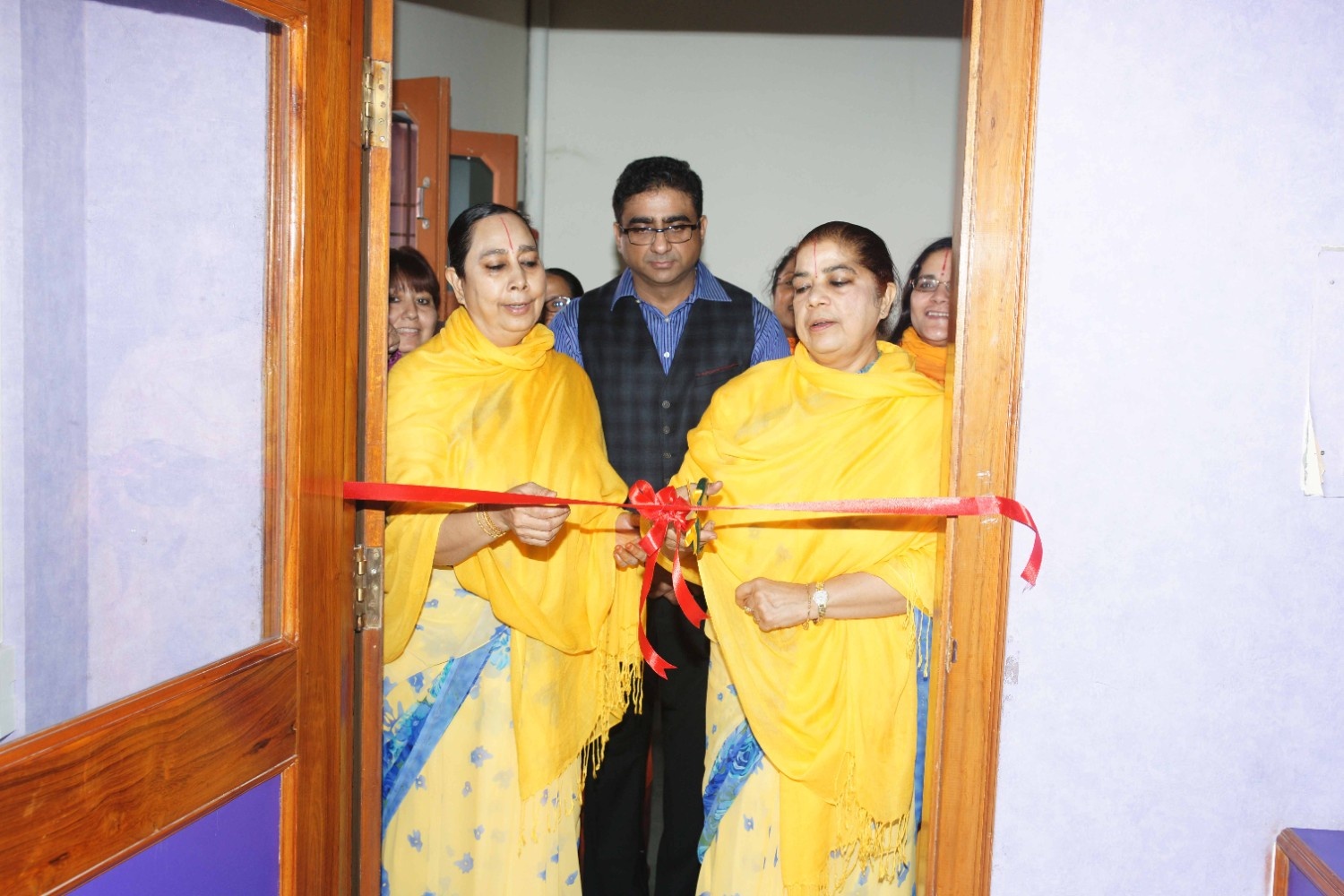
  • To honor the literature of our Founder, Jagadguru Shri Kripalu Ji Maharaj, a dedicated library within the main library was inaugurated to house and showcase his literary works.

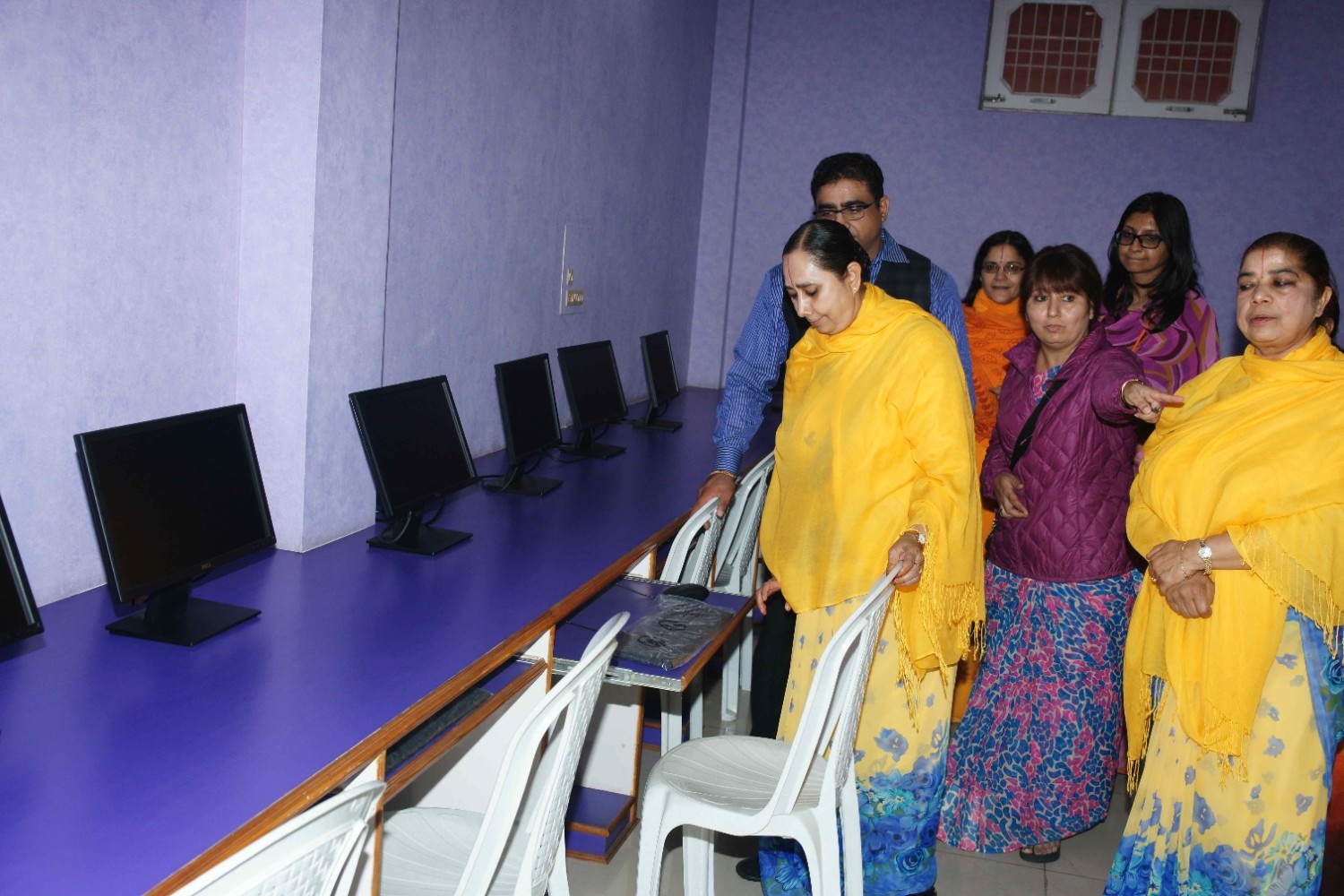
  • A well-equipped resource room for teachers was set up with computers and internet access to support research and development activities.

Having reached the culmination of Phase 3, we can proudly say that the institution has progressed steadily and emerged as one of the leading educational establishments in the Pratapgarh district.

PHASE 4 (2023 ONWARDS) – PROGRESSION TOWARDS EXCELLENCE

KMM envisions Phase 4 as a transformative chapter, geared to set new milestones in its journey. As the institution embarks on this next phase, it aims to make a bold leap forward towards becoming a distinguished name for academic excellence and innovation. Building on the solid foundation laid in earlier phases, KMM is dedicated to expanding its academic programmes by introducing new disciplines and offering advanced courses while driving practical, skill-based growth. This phase will also prioritisethe promotion of cutting-edge research and the strengthening of collaborations with industry and community partners to equip students for leadership roles across diverse sectors.

Key Highlights during this phase (2023 onwards) are as follows:

  • Students represented the college at various district and state-level forums and secured top positions in Youth Parliament competitions, reflecting continued excellence in extracurricular and leadership pursuits.

  • Students qualified in national-level competitive examinations, a testament to their academic strength and dedicated preparation.

  • ICT-based learning tools such as virtual labs, multimedia presentations, and audio-visual aids were integrated into classroom teaching to enhance learning outcomes.

  • Several students were featured in the university merit list and received medals and ranks for academic excellence.

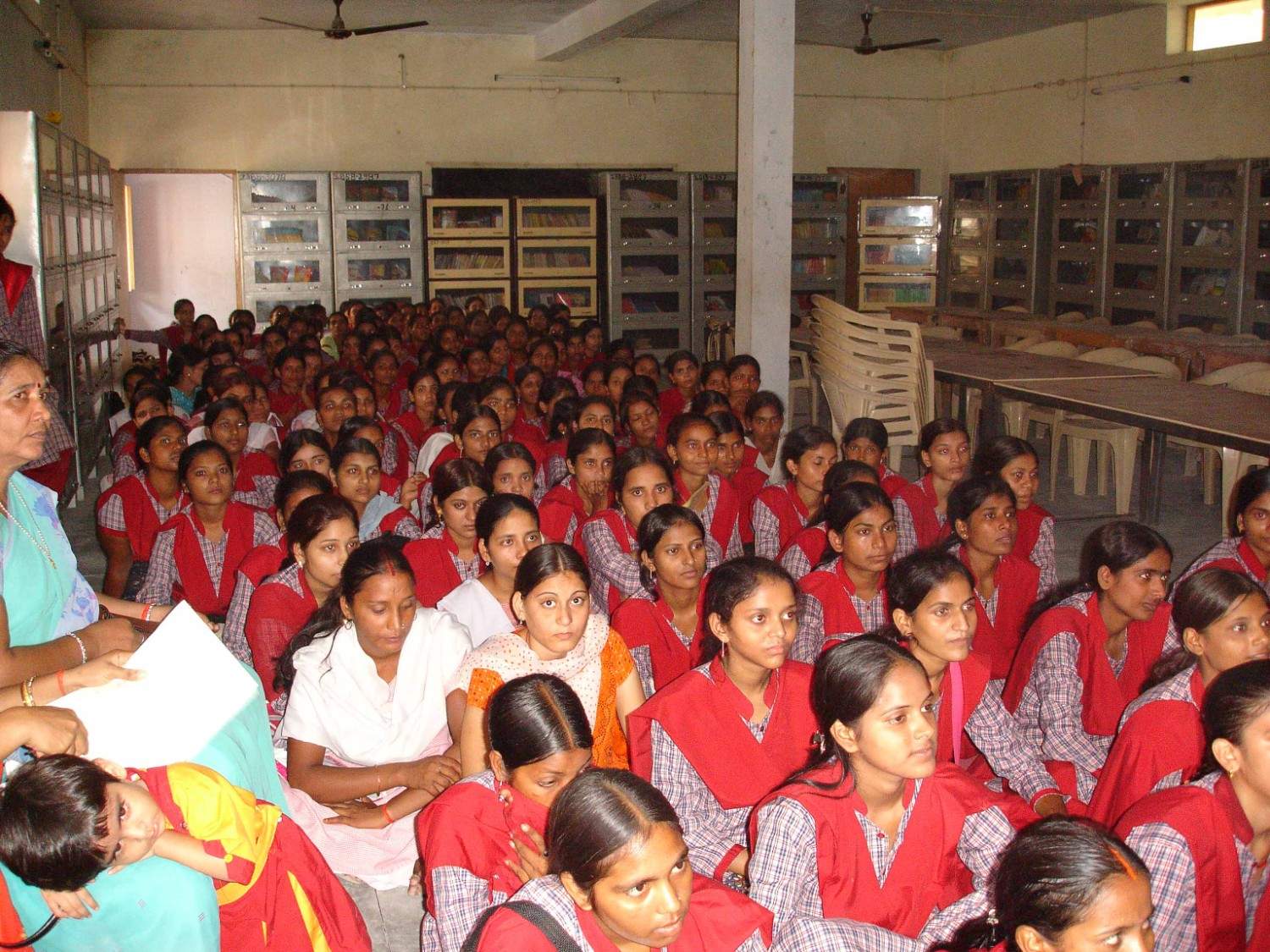
  • Regular upgrades to the library, including the addition of books, journals, and other academic resources. Efforts toward developing a digital library were also undertaken to improve accessibility and support modern-learning needs.

  • Alumni secured appointments in esteemed academic institutions, bringing recognition to the college at a broader level.

  • To advance career development, the college established a Placement Cell and initiated targeted training programs. These initiatives enabled the students to actively enhance their skills and engage with the private sector in pursuit of employment opportunities.

  • Skill-based training programs, including computer literacy and English speaking, were introduced to systematically develop students’ digital and communication proficiency.

  • To broaden students' career prospects, specialised preparatory sessions were launched for various competitive examinations, including government recruitment, professional certification, and academic entrance tests.

  • KMM actively undertook outreached efforts to build collaborations with esteemed academic and industrial communities, strengthening its presence in the wider academic and professional spheres.